 Save to Pinterest
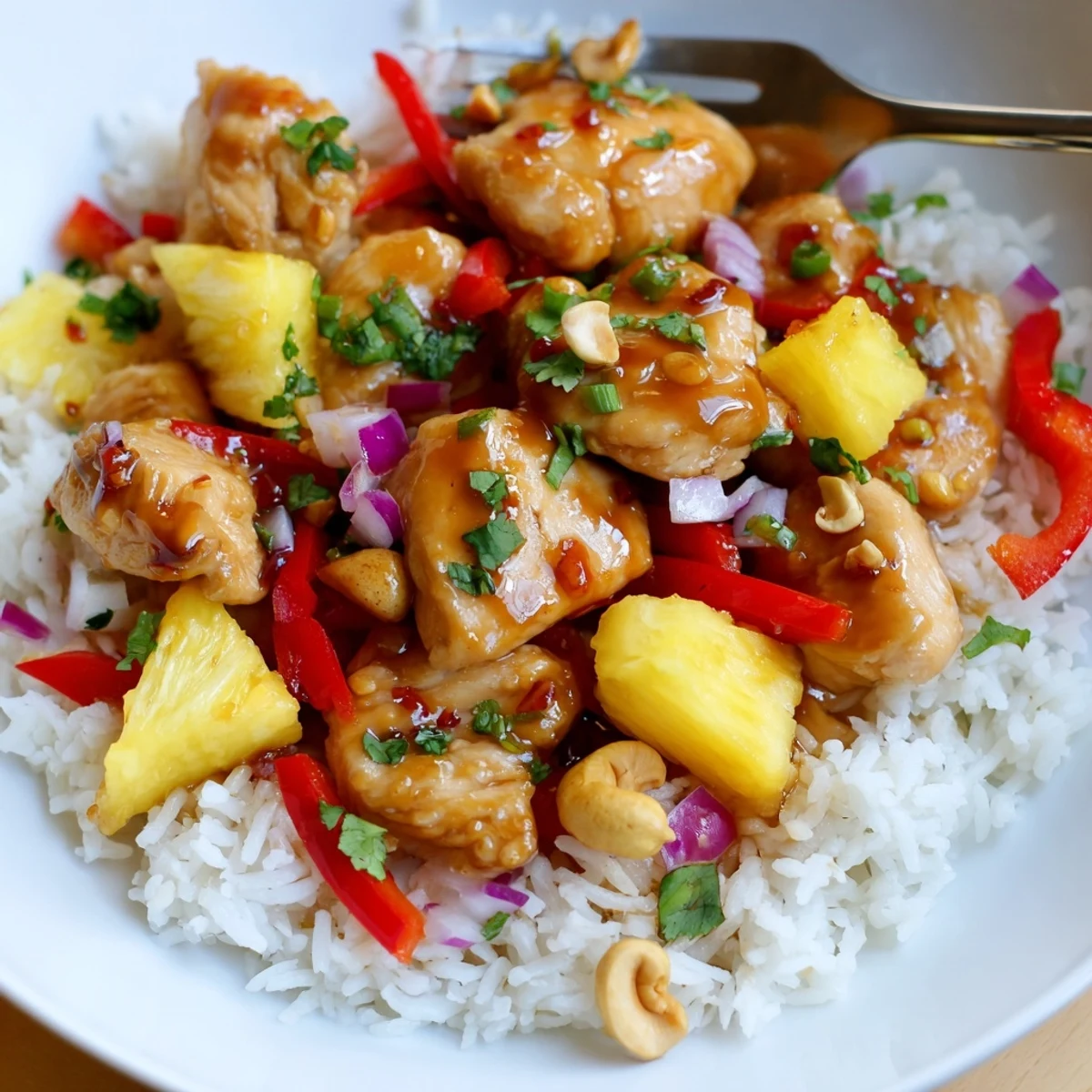
 Ready in 50 minutes for 4 servings: bite-sized chicken is seared until golden, then tossed with a honey-soy and sriracha glaze alongside diced pineapple and mango. Aromatics—garlic, ginger and red chili—are softened, bell pepper added, then fruit and chicken are combined until the sauce coats everything. Serve over fluffy long-grain rice with cilantro and toasted nuts for crunch.
The first time the scent of sizzling chicken and tropical fruit filled my kitchen, I was halfway between daydreaming of vacations and wondering if I'd actually pulled off something extraordinary. I hadn't planned for this colorful, punchy dish, but a perfectly ripe mango on the counter nudged my culinary curiosity. There was a hum from the rice simmering while spicy-sweet notes drifted through the air. The surprise was how quickly tropical Sweet and Spicy Chicken Rice became a staple on nights craving both comfort and adventure.
One weeknight after an impromptu dinner invite, I found myself flipping bell pepper slices with one hand while laughing as my friend attempted to slice onions without blinking. We ended up singing along to the radio, improvising a dance every time the skillet sizzled louder. That’s when the recipe proved itself—easy enough to pull together mid-conversation but celebratory in flavor and color. Our table looked like a festival in a bowl, shared between old stories and sticky fingers from pineapple.
Ingredients
- Chicken breasts: Go for boneless, skinless for quick cooking; chopping into bite-sized pieces ensures even browning and tenderness.
- Long grain white rice: Rinsing is the secret to fluffiness—no clumps, just separate grains that perfectly soak up the sauce.
- Red bell pepper: Its sweet crunch balances the heat; pick one with glossy skin for max freshness.
- Fresh pineapple: Adds juicy tang—fresh works best, but canned in juice can save time if needed.
- Mango: When ripe, it lends irresistible brightness and a velvety texture; don’t be afraid of a bit of mess while prepping.
- Red onion: Sliced thin for gentle sharpness that mellows as it cooks.
- Garlic: A couple cloves, finely minced, stir in depth and warmth at the base of the sauce.
- Red chili: Optional but always worth it if you love a little kick; leave the seeds in for more heat.
- Soy sauce (gluten-free if needed): Brings savory, umami-rich backbone to the sauce; check labels for dietary needs.
- Honey: Counterbalances spice and acids—runny honey blends easiest into the marinade.
- Rice vinegar: Just a splash; the brightness perks up all the other flavors.
- Sriracha or sweet chili sauce: Choose based on your spice level—sriracha for fire, sweet chili for mellow warmth.
- Fresh ginger: A little grated ginger goes a long way in unlocking tropical warmth.
- Black pepper: A few grinds add gentle spice and complexity.
- Salt: Taste as you go—pineapple and soy sauce add their own saltiness.
- Neutral oil: For high-heat cooking; canola or sunflower lets those flavors shine.
- Fresh cilantro: Chopped and scattered as a final touch—herby brightness in every forkful.
- Toasted cashews or peanuts: Optional, but the crunch is magic alongside juicy fruit and tender chicken.
Instructions
- Make the Rice:
- Rinse the rice until the water runs mostly clear, then cook according to package instructions. Keep it covered and let it fluff up while you prepare everything else.
- Whisk the Sauce:
- In a small bowl, combine soy sauce, honey, rice vinegar, sriracha, ginger, salt, and pepper—take a second to inhale the savory-sweet aroma before setting it aside.
- Sear the Chicken:
- Heat 1 tbsp oil in a large skillet or wok over medium-high; add the chicken, a pinch of salt, and stir until golden and just cooked through (about 6–8 minutes). Remove with tongs to a plate to keep it juicy.
- Sauté the Aromatics:
- Add the remaining oil, then toss in the sliced onions, garlic, and chili. Stir and listen: when it smells intense and everything's softened (2–3 minutes), you're ready for the next round.
- Add the Bell Pepper:
- Stir in the diced pepper, letting its colors brighten and soften for 2 minutes—keep things moving so nothing scorches.
- Fruit Finale:
- Add pineapple and mango, stirring just until their juices glisten and everything smells like a sunny day (another couple minutes).
- Bring It All Together:
- Return the chicken to the skillet, pour over your sauce, and watch it bubble as you toss to coat. It’s perfect when the sauce thickens slightly and everything’s gleaming and hot.
- Serve:
- Spoon the chicken and fruit over fluffy rice. Scatter with chopped cilantro and toasted nuts if you like—serve right away for the freshest flavors.
 Save to Pinterest
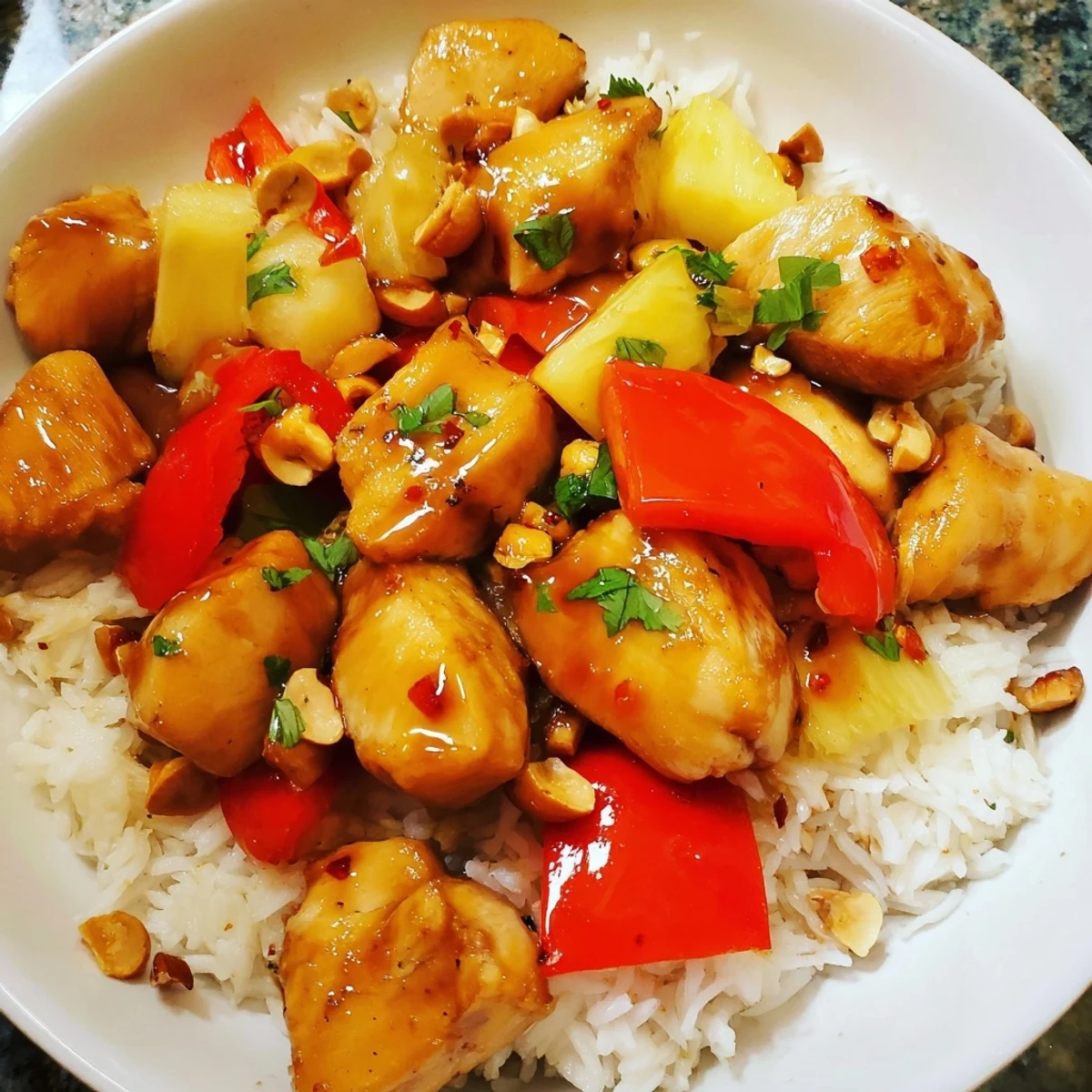
 I’ll never forget the time my nephew, who claimed to hate both mango and ‘anything weirdly spicy’, ended up scraping his plate clean and asking for seconds. It was a small win that became a running family joke—each time I cook this, he hovers in the kitchen, pretending he’s only there for the company. But by the first aroma of ginger and pineapple, he's the first to set the table. That’s when Tropical Sweet and Spicy Chicken Rice turned from a ‘new recipe’ to a family legend.
Finding the Right Fruit Makes All the Difference
After experimenting with underripe mangoes and canned pineapple, I realized fresh, just-ripe fruit lifts this dish from good to irresistible. If your mango yields slightly when squeezed and smells fragrant, it’s ready; a tart pineapple balances everything with its brightness. Using the ripest fruit doesn't just change the taste—it makes the colors pop vibrantly in the finished bowl. Don’t be afraid to mix in a little papaya or even a handful of orange segments if you’re feeling adventurous.
When to Add the Sauce (And Not a Moment Before)
Early on, I poured the sauce in before the fruit and ended up with a delicious—but soggy—mess. The trick is letting the aromatics and veggies soften and release their flavors, then tossing in the fruit just long enough to warm through before saucing everything. This way, every bite has a distinct texture and the tropical flavors stay bright, not lost. If you like a glossy, sticky finish, leave it a minute more on high heat and watch the sauce thicken beautifully.
Making It Your Own: Swaps and Simple Additions
Don’t hesitate to improvise—this is a dish that thrives on creativity. Swap in steamed broccoli or snap peas for vegetables on hand, or toss in cashews for a crunchier bite. You can even add a splash of lime juice if it needs a punch of acidity.
- Leftover rice works perfectly—just reheat gently so it doesn’t dry out.
- Cilantro not your thing? Swap with mint or parsley for a different green finish.
- If you’re feeding a crowd, double the sauce and set out extra toppings for easy self-serve style.
 Save to Pinterest
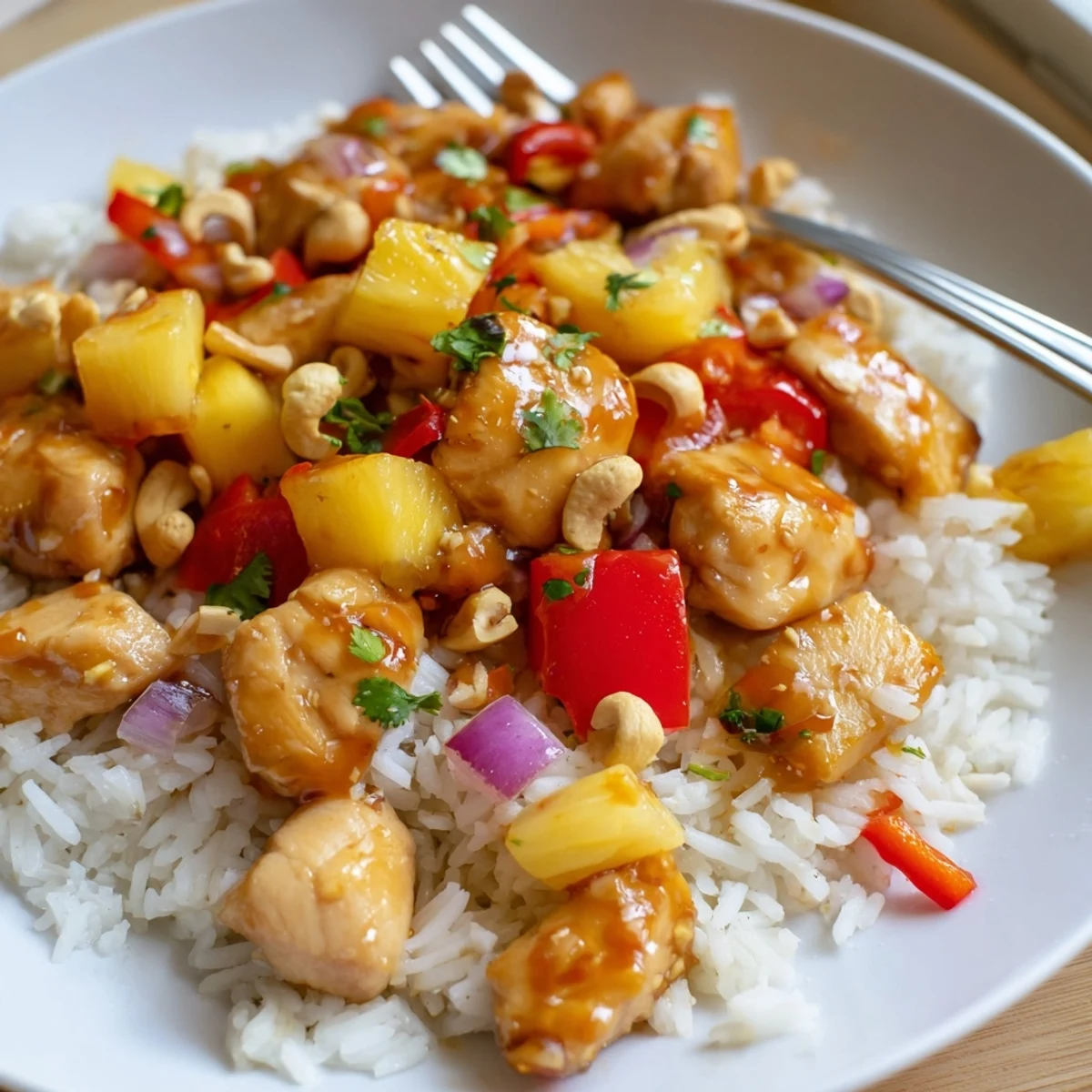
 Let this vibrant, tropical dish remind you how a playful mix in the kitchen can turn an ordinary evening into something worth remembering. Serve with a big smile and watch the colors—and the conversation—light up your table.
Recipe Q&A
- → How can I tone down the heat?
-
Omit the red chili and reduce or skip the sriracha. Substitute sweet chili sauce or add a touch of honey to balance heat without losing the sweet-spicy profile.
- → Is this suitable for a gluten-free diet?
-
Yes — use tamari or a certified gluten-free soy sauce and check labels on sriracha or sweet chili sauce. All other ingredients are naturally gluten-free.
- → What can I use instead of nuts for crunch?
-
Omit peanuts or cashews if allergic and finish with toasted sesame seeds, crispy shallots, or extra cilantro. For nut-like texture, try toasted sunflower seeds.
- → Which rice works best?
-
Long-grain white rice keeps a light, separate texture. Jasmine adds fragrance and pairs well with tropical fruit; use the package water ratio or 1.5 cups water per cup rice for stovetop cooking.
- → Can I prepare components ahead of time?
-
Yes — cook the rice and chop fruit and vegetables in advance. Mix the sauce and refrigerate separately; combine and finish in the skillet just before serving to preserve texture.
- → How should leftovers be stored and reheated?
-
Store in an airtight container in the fridge for 3–4 days. Reheat gently in a skillet over medium heat, adding a splash of water to loosen the sauce and preserve moisture.