 Save to Pinterest
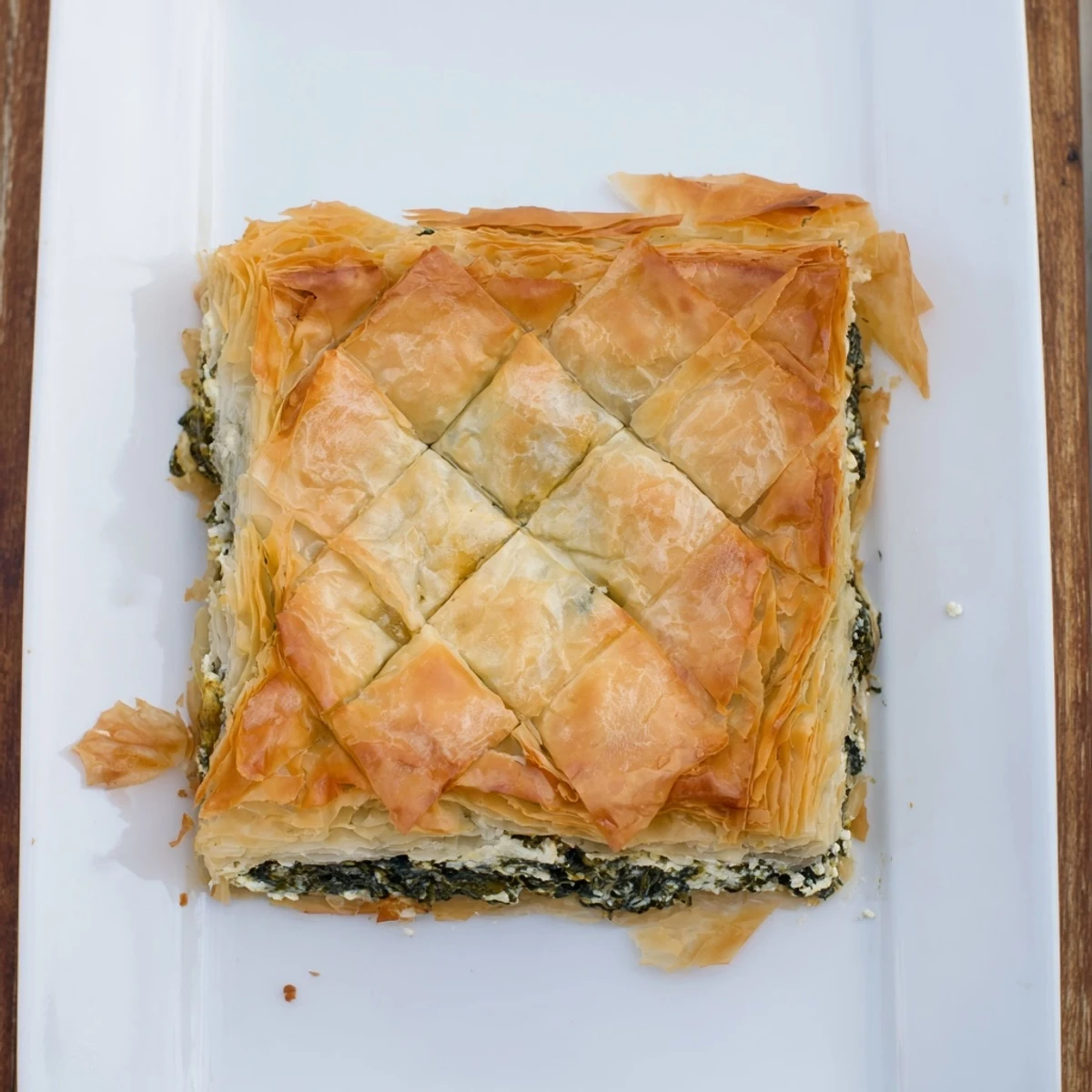
 Create this beloved Greek specialty featuring delicate, buttery phyllo pastry enveloping a vibrant mixture of fresh spinach, aromatic herbs like dill and mint, and tangy feta cheese. The result is a beautifully golden, crispy pie with a tender, flavorful interior that captures the essence of Mediterranean cooking.
Perfect for gatherings, holidays, or weekend meals, this dish comes together in just over an hour. The key lies in properly preparing the spinach filling—removing excess moisture ensures a crisp, not soggy, result. Brushing each phyllo layer with olive oil and butter creates those signature flaky, golden sheets that shatter beautifully when sliced.
Last summer, my neighbor Maria invited me over to help her make spanakopita for a family gathering. Her hands moved so quickly layering the phyllo that I could barely follow, but she kept saying 'you must feel when it's right.' We stood in her small kitchen with flour dusting our arms, laughing at my clumsy first attempts while her grandchildren peeked around the corner, waiting for scraps.
I've made this spanakopita for countless dinner parties now, and it never fails to disappear within minutes. Something about pulling that golden, flaky pie from the oven makes people gather around the kitchen island, plates in hand, before we've even officially sat down to eat.
Ingredients
- 1 kg fresh spinach: Fresh spinach gives the best texture, but if you're short on time, frozen works perfectly as long as you squeeze out every drop of excess water
- 1 medium yellow onion and 4 spring onions: This dual onion approach creates depth of flavor that becomes the backbone of the filling
- 1/4 cup each fresh dill, parsley, and mint: Don't skimp on the herbs, they're what transforms this from ordinary to extraordinary
- 400 g feta and 200 g ricotta: The feta brings the salt and tang while ricotta adds creaminess that binds everything together beautifully
- 2 large eggs: These help set the filling so you get clean slices when serving
- 450 g phyllo dough: Keep it covered with a damp towel while you work, and don't stress if a sheet tears, just layer another over it
- 100 ml olive oil and 50 g unsalted butter: Using both creates the perfect balance of flavor and crispiness in every layer
- Salt, pepper, and nutmeg: Nutmeg might seem unusual, but it's a classic Greek addition that enhances the spinach's natural sweetness
Instructions
- Preheat and prep your baking dish:
- Heat your oven to 180°C and lightly grease a rectangular baking dish with a little olive oil.
- Sauté the onions:
- Warm 2 tablespoons olive oil in a large skillet over medium heat, cook the yellow onion until soft, then add spring onions for 2 more minutes.
- Cook the spinach:
- Add spinach in batches if fresh, cooking until wilted and all liquid has evaporated, then stir in the herbs and let it cool slightly.
- Make the filling:
- Combine feta, ricotta, eggs, salt, pepper, and nutmeg in a bowl, then fold in the cooled spinach mixture until everything is well incorporated.
- Prepare the phyllo:
- Keep your phyllo covered with a damp cloth while working to prevent drying out, and have your oil and butter mixed and ready for brushing.
- Layer the bottom:
- Place one sheet of phyllo in the dish, brush generously with the oil butter mixture, and repeat with 6 to 8 sheets total.
- Add the filling:
- Spread the spinach and cheese mixture evenly over the bottom layer of phyllo, right to the edges.
- Layer the top:
- Continue layering remaining phyllo sheets, brushing each one, then tuck in the edges and give the top an extra generous brushing.
- Score before baking:
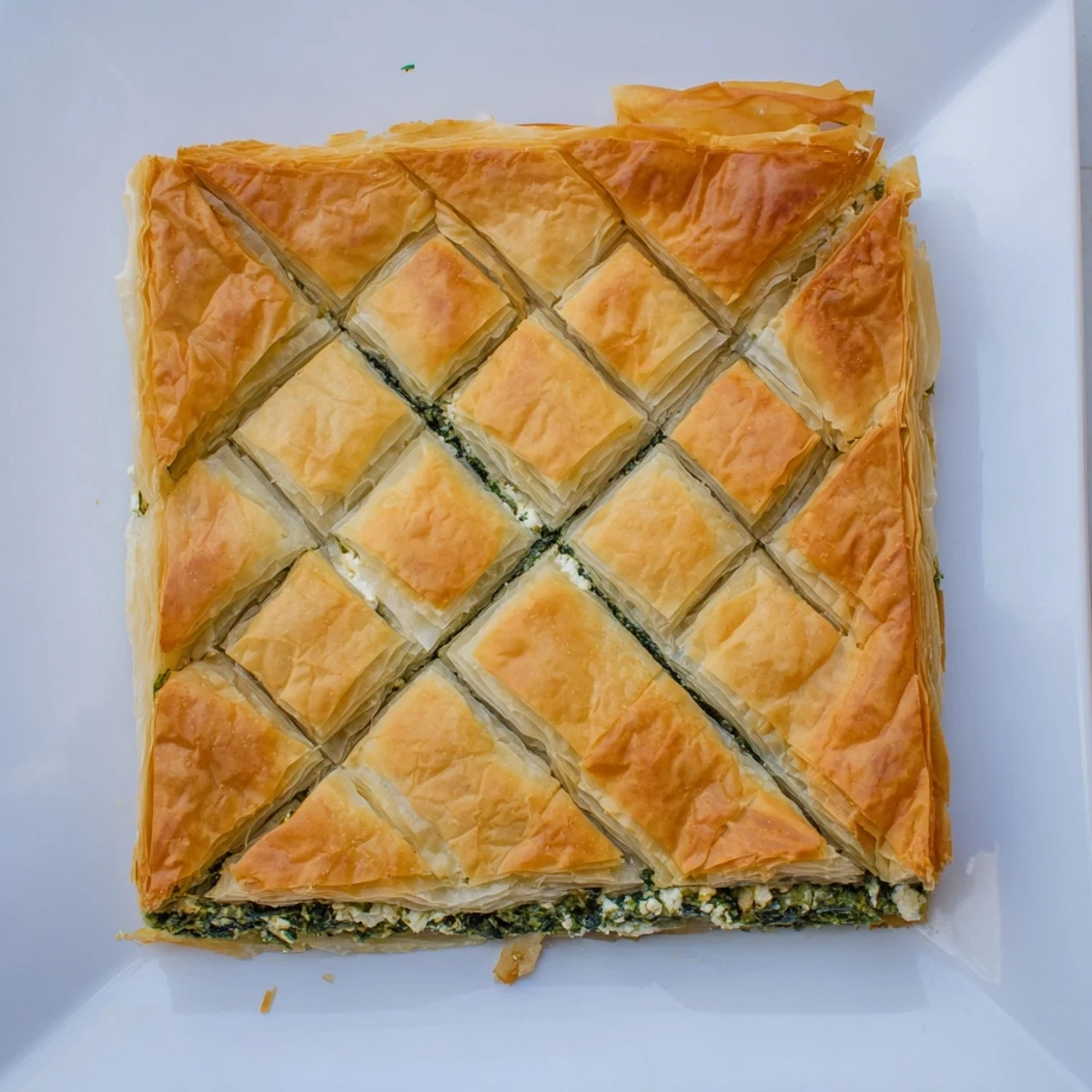
- Use a sharp knife to cut through just the top layers into squares or diamonds, which helps with even cooking and easier serving later.
- Bake to golden perfection:
- Bake for 45 to 50 minutes until the top is deeply golden and crisp, then let it cool for 10 minutes before serving.
 Save to Pinterest
 This recipe has become my go to for bringing people together, whether it's a casual weeknight dinner or a special celebration. There's something universally comforting about that first bite of crispy, buttery phyllo giving way to the warm, herb filled spinach center.
Getting The Phyllo Right
Don't worry if your first few attempts at layering phyllo feel clumsy or if sheets tear. The beauty of spanakopita is that it's forgiving and rustic, plus all those buttery layers will hide any imperfections.
Make Ahead Magic
You can assemble the entire spanakopita up to a day ahead, cover tightly, and refrigerate before baking. Just add a few extra minutes to the baking time if it's cold from the fridge.
Serving Suggestions
This shines alongside a crisp Greek salad with plenty of tomatoes and olives, or served with tzatziki for dipping. A cold glass of Assyrtiko or any dry white wine cuts through the richness perfectly.
- Let the pie rest at least 10 minutes before cutting so the filling sets properly
- Leftovers reheat beautifully in a 180°C oven for about 15 minutes
- Serve at room temperature for picnics or potlucks, it travels surprisingly well
 Save to Pinterest
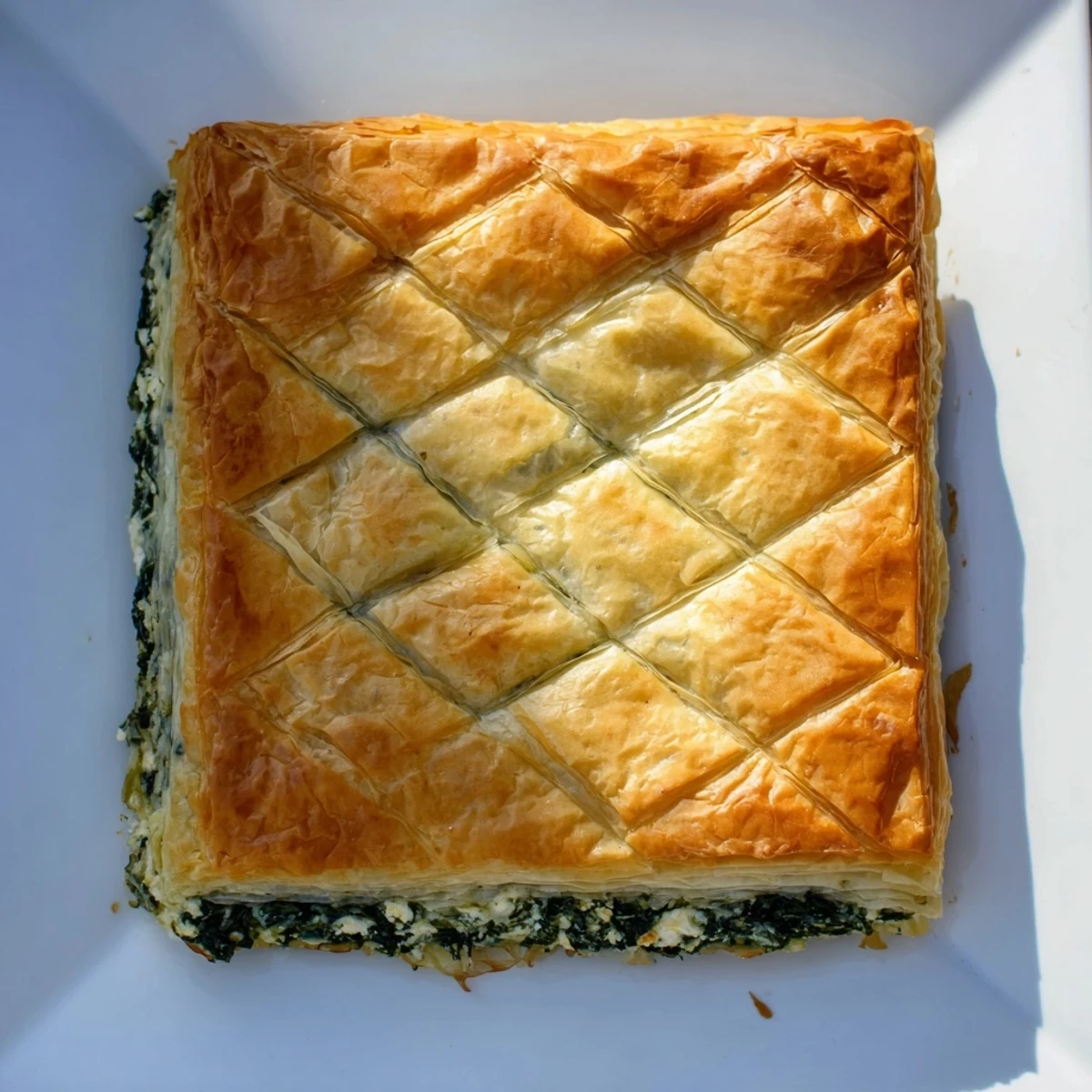
 Every time I pull a spanakopita from the oven, I'm transported back to Maria's kitchen, learning that some recipes are meant to be shared as much as they're meant to be eaten.
Recipe Q&A
- → Can I make spanakopita ahead of time?
-
Absolutely. You can assemble the entire dish, cover tightly, and refrigerate for up to 24 hours before baking. Alternatively, bake it completely, cool, and refrigerate for 3-4 days. Reheat in a 180°C oven for 10-15 minutes to restore crispiness.
- → How do I prevent the phyllo from drying out?
-
Keep unused phyllo sheets covered with a slightly damp kitchen towel while working. Remove only one sheet at a time, and work efficiently. If sheets crack, don't worry—they'll be layered and brushed with butter, so small imperfections won't affect the final result.
- → Can I freeze spanakopita?
-
Yes, freeze either before or after baking. For unbaked, wrap well and freeze up to 3 months—bake from frozen, adding 10-15 minutes. For baked, cool completely, wrap tightly, and freeze up to 2 months. Reheat in a 180°C oven until heated through and crispy.
- → Why is my spanakopita soggy?
-
Soggy bottoms usually result from excess moisture in the spinach filling. Always thoroughly drain fresh spinach after wilting, and squeeze frozen spinach completely dry. Also ensure your oven is fully preheated and don't underbake—golden, crisp layers need the full baking time.
- → Can I use different cheeses?
-
Traditional spanakopita relies on feta for its tangy, salty character, but you can adjust proportions. Some home cooks add anthotyro or ricotta for creaminess, or kefalotyri for extra flavor. Just maintain roughly the same total cheese quantity to keep the filling properly textured.
- → What's the best way to cut spanakopita?
-
Score the top layers with a sharp knife before baking—this creates cutting guides and helps steam escape. For clean cuts, wait 10-15 minutes after removing from the oven before slicing completely through. This brief cooling period allows the filling to set slightly.