 Save to Pinterest
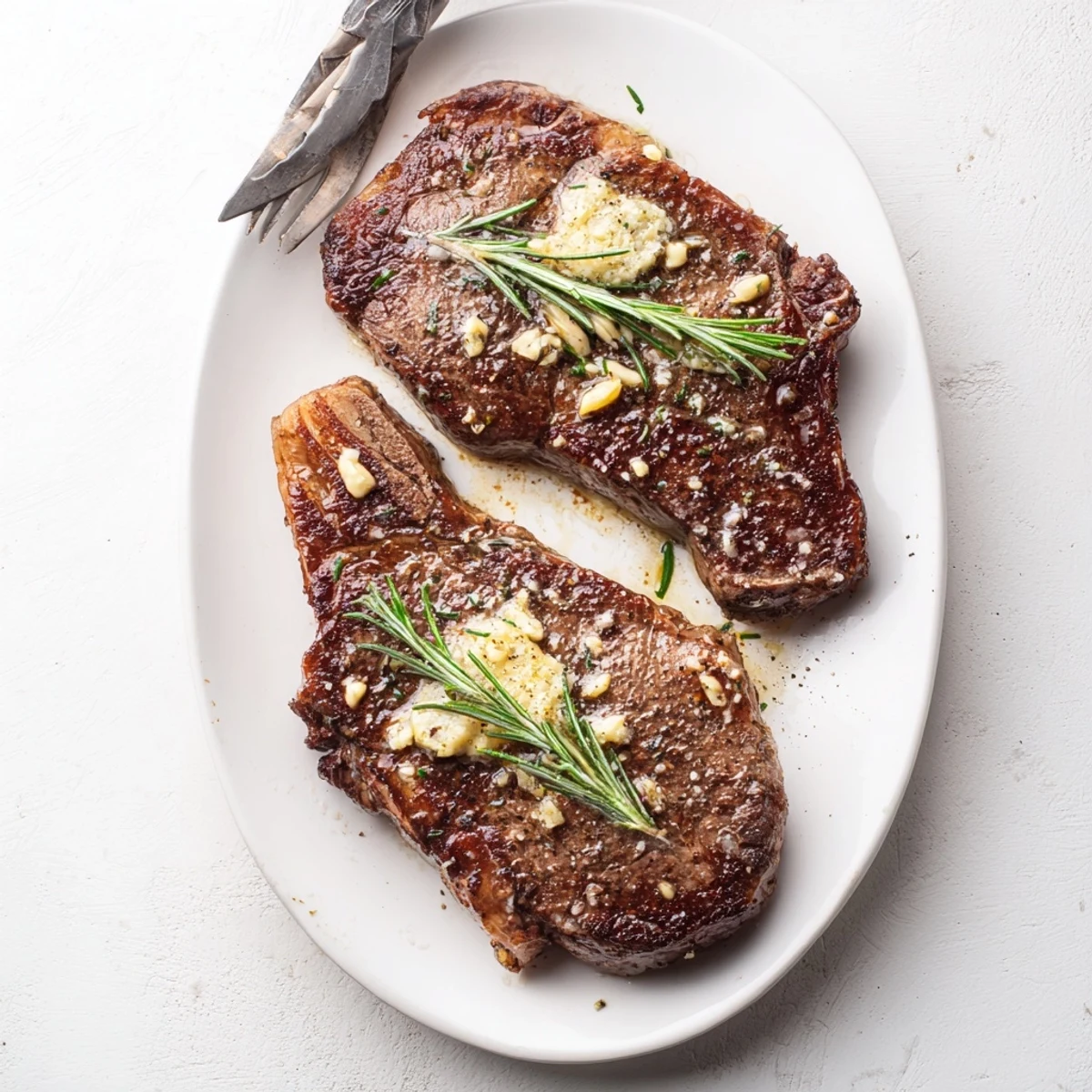
 Create restaurant-quality steak at home with this simple yet impressive method. Start with premium ribeye cuts, sear them in a hot cast-iron skillet until a golden crust forms, then finish with aromatic garlic butter basting. The result is a juicy, perfectly cooked steak with incredible depth of flavor.
The key is bringing your meat to room temperature before cooking and using the spoon-basting technique to infuse every bite with buttery garlic goodness. Ready in just 25 minutes, this dish rivals any steakhouse experience.
The sizzle of a ribeye hitting a screaming hot cast iron pan is one of those sounds that pulls everyone into the kitchen, no invitation needed. My neighbor once knocked on my door asking what I was cooking because the smell of garlic butter had drifted through the hallway. That is the power of a good steak done right at home. It turns any random weeknight into something worth remembering.
I ruined my first attempt at pan seared steak by flipping it every thirty seconds out of impatience. A chef friend later told me the secret is leaving it alone and letting the Maillard reaction do its work, and honestly that one piece of advice changed everything about how I cook meat.
Ingredients
- Ribeye steaks, 2 pieces about 1 inch thick and 250g each: Ribeye has the best marbling for pan searing, which means built in flavor and juiciness that leaner cuts cannot match.
- Unsalted butter, 3 tablespoons: Unsalted lets you control the seasoning, and the butter is your basting medium so quality matters here.
- Olive oil, 1 tablespoon: Used for the initial sear because butter alone burns at high heat, and olive oil raises the smoke point enough to get a good crust.
- Garlic cloves, 4 finely minced: Fresh garlic only, and mince it small so it releases maximum flavor into the butter without burning.
- Fresh rosemary, 2 sprigs: Rosemary holds up to high heat beautifully and infuses the butter with a woody, aromatic quality that dried herbs simply cannot replicate.
- Salt and freshly ground black pepper: Season generously and use freshly cracked pepper for the best texture and bite.
Instructions
- Temper and dry the steaks:
- Pull the steaks from the fridge twenty minutes before cooking so they lose their chill, then pat them thoroughly dry with paper towels because moisture is the enemy of a good sear.
- Season with confidence:
- Coat both sides generously with salt and pepper, pressing it in with your hands so it adheres rather than falling off in the pan.
- Get the pan ripping hot:
- Heat olive oil in a heavy cast iron skillet over high heat until you see wisps of smoke, which tells you the pan is ready to create that deep brown crust.
- Sear without touching:
- Lay the steaks in the pan and resist every urge to move them for two to three minutes per side, letting the crust form undisturbed before flipping.
- Build the garlic butter:
- Drop the heat to medium, add the butter, garlic, and rosemary, and let the butter melt into a golden, foamy pool of flavor.
- Baste like you mean it:
- Tilt the pan slightly and use a large spoon to scoop the bubbling garlic butter over the steaks repeatedly for two to three minutes, spooning it right over the top until the steaks reach medium rare at 130 degrees Fahrenheit.
- Rest before slicing:
- Transfer the steaks to a plate and let them rest for five full minutes so the juices redistribute instead of running out onto the cutting board.
 Save to Pinterest
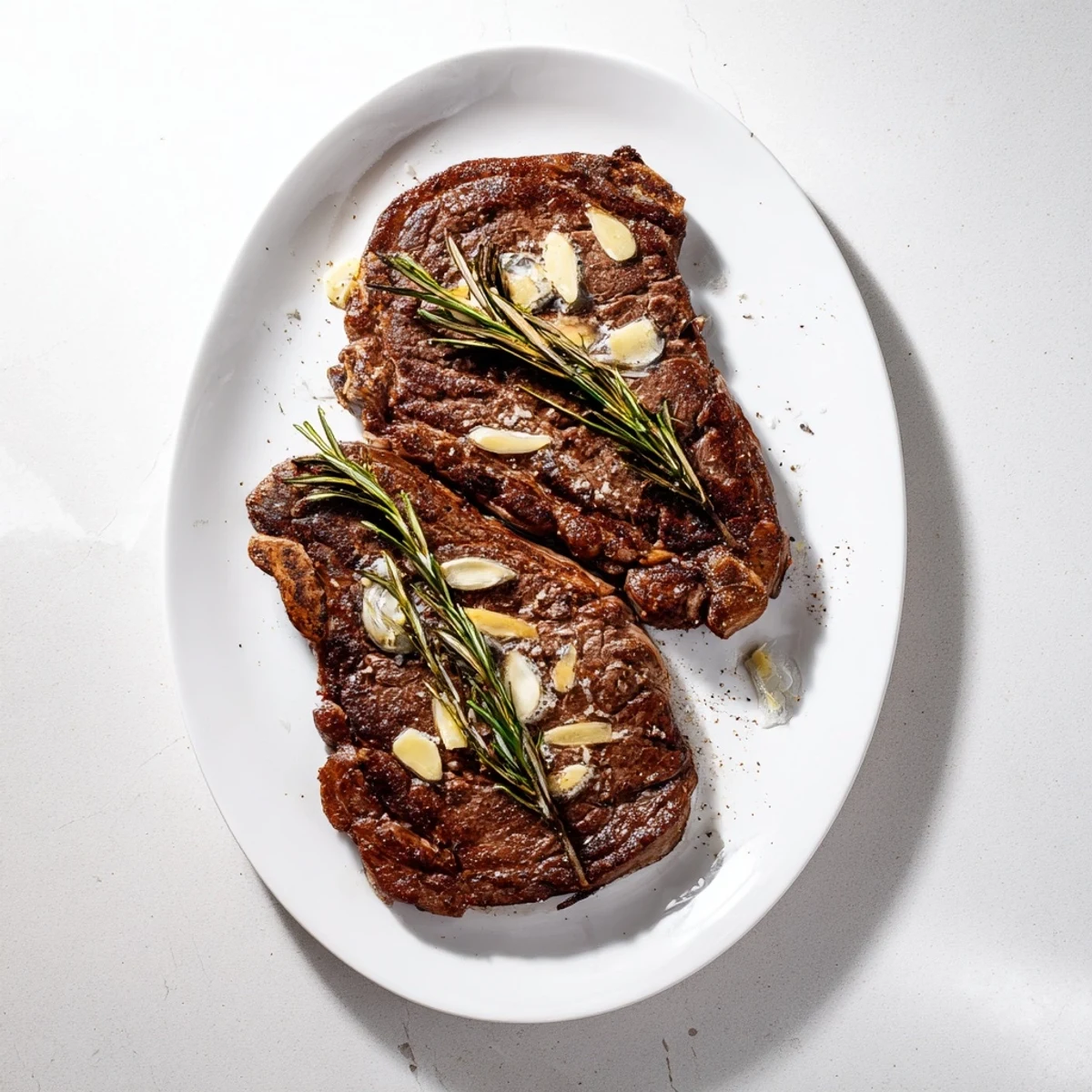
 There is something deeply satisfying about slicing into a steak you cooked yourself and seeing that perfect pink center edged with a caramelized crust.
What to Serve Alongside
Roasted potatoes with rosemary are a natural companion because you can throw them in the oven while the steaks rest. A crisp green salad with a bright vinaigrette cuts through the richness beautifully. Steamed or blistered green beans with a squeeze of lemon also work wonders on the side.
Picking the Right Cut
Ribeye is my go-to for garlic butter steak because the intramuscular fat renders during cooking and keeps everything juicy. Strip steak works well too if you prefer a slightly leaner bite. I would avoid very lean cuts like filet mignon for this particular method since the butter basting is what makes the richness sing.
Getting the Sear Right Every Time
Cast iron is non negotiable for me when searing steak because it holds heat evenly and gets hotter than most other pans can safely handle. Make sure your kitchen is well ventilated because a proper sear will smoke.
- Do not crowd the pan with more than two steaks at once or the temperature drops too fast.
- Press the steak gently with tongs to check for a firm crust before flipping.
- Open a window or turn on the exhaust fan before you start, not after the smoke alarm reminds you.
 Save to Pinterest
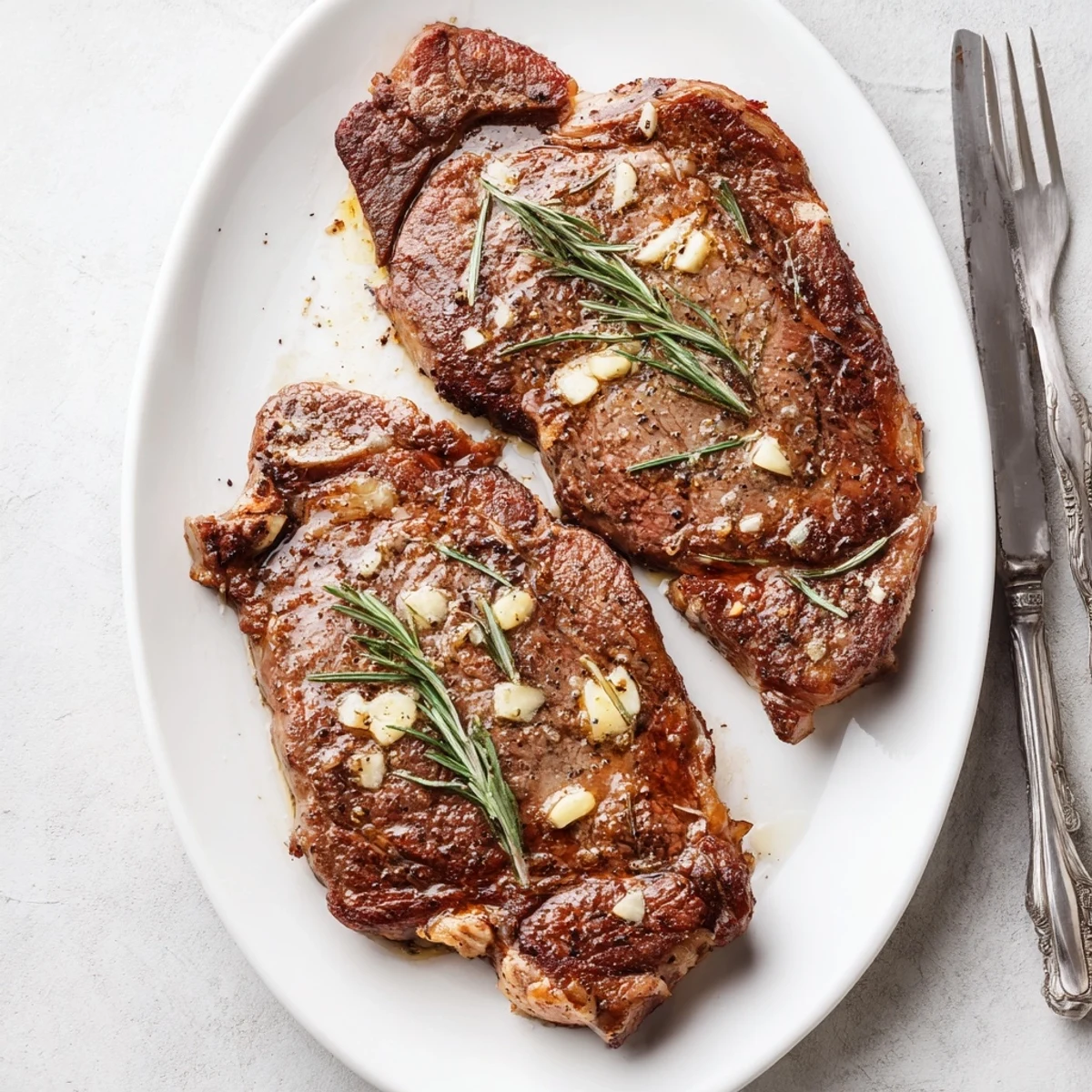
 Once you master this garlic butter method, you will wonder why you ever paid restaurant prices for something this simple and satisfying. Light a candle, pour something bold and red, and enjoy every bite.
Recipe Q&A
- → What cut of steak works best?
-
Ribeye is ideal due to its marbling and tenderness, but strip steak or filet mignon also work beautifully with this preparation method.
- → How do I know when the steak is done?
-
Use a meat thermometer for accuracy. Medium-rare reaches 130°F/54°C, medium 135°F/57°C. The touch test also works—firm indicates more doneness.
- → Why rest the steak before serving?
-
Resting allows juices to redistribute throughout the meat. Cutting immediately causes flavorful juices to escape onto the plate, resulting in drier steak.
- → Can I use dried herbs instead of fresh?
-
Fresh rosemary or thyme provides superior flavor, but dried herbs work in a pinch. Use about one-third the amount of dried compared to fresh.
- → What sides complement this dish?
-
Roasted potatoes, creamed spinach, grilled asparagus, or a crisp arugula salad with lemon vinaigrette balance the richness beautifully.