 Save to Pinterest
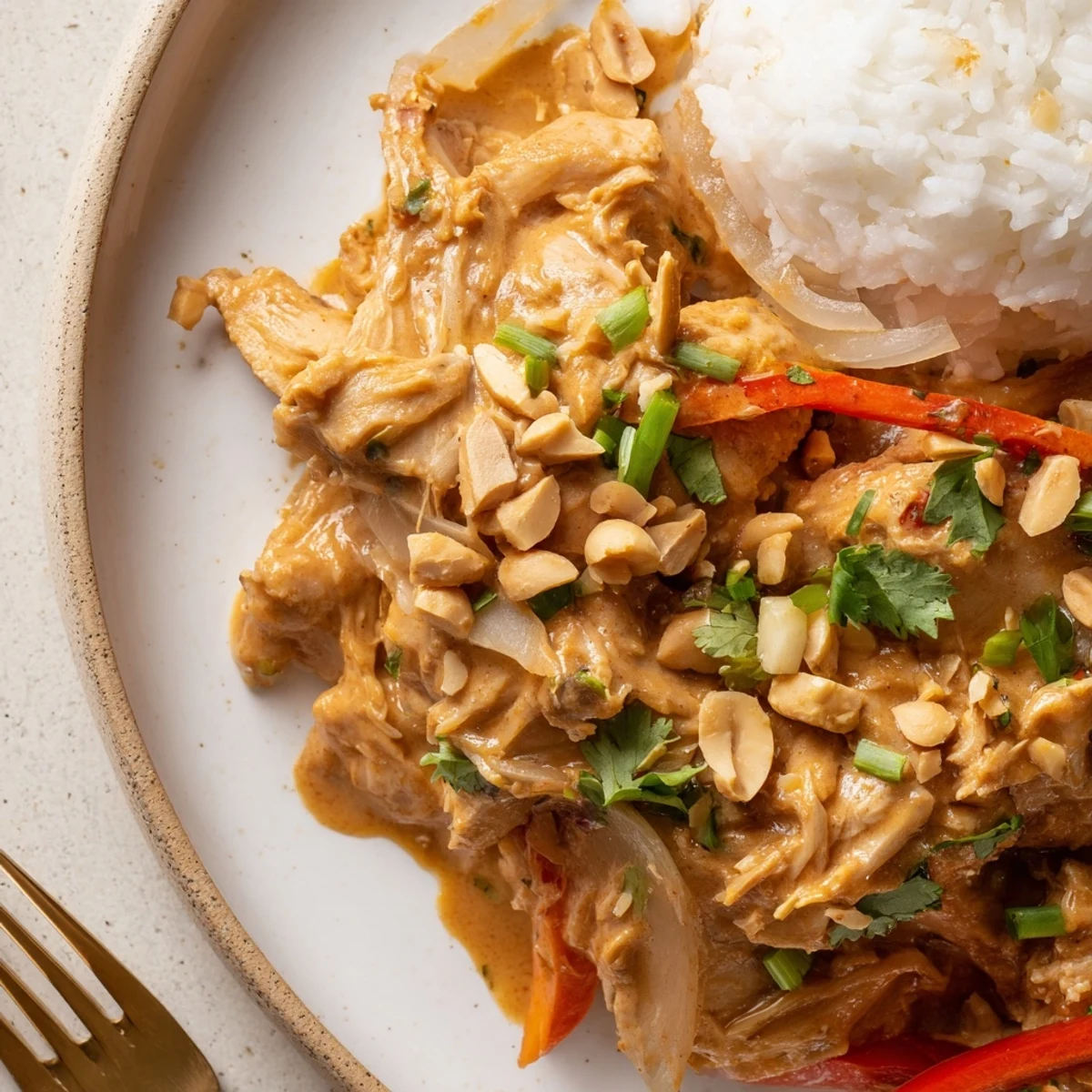
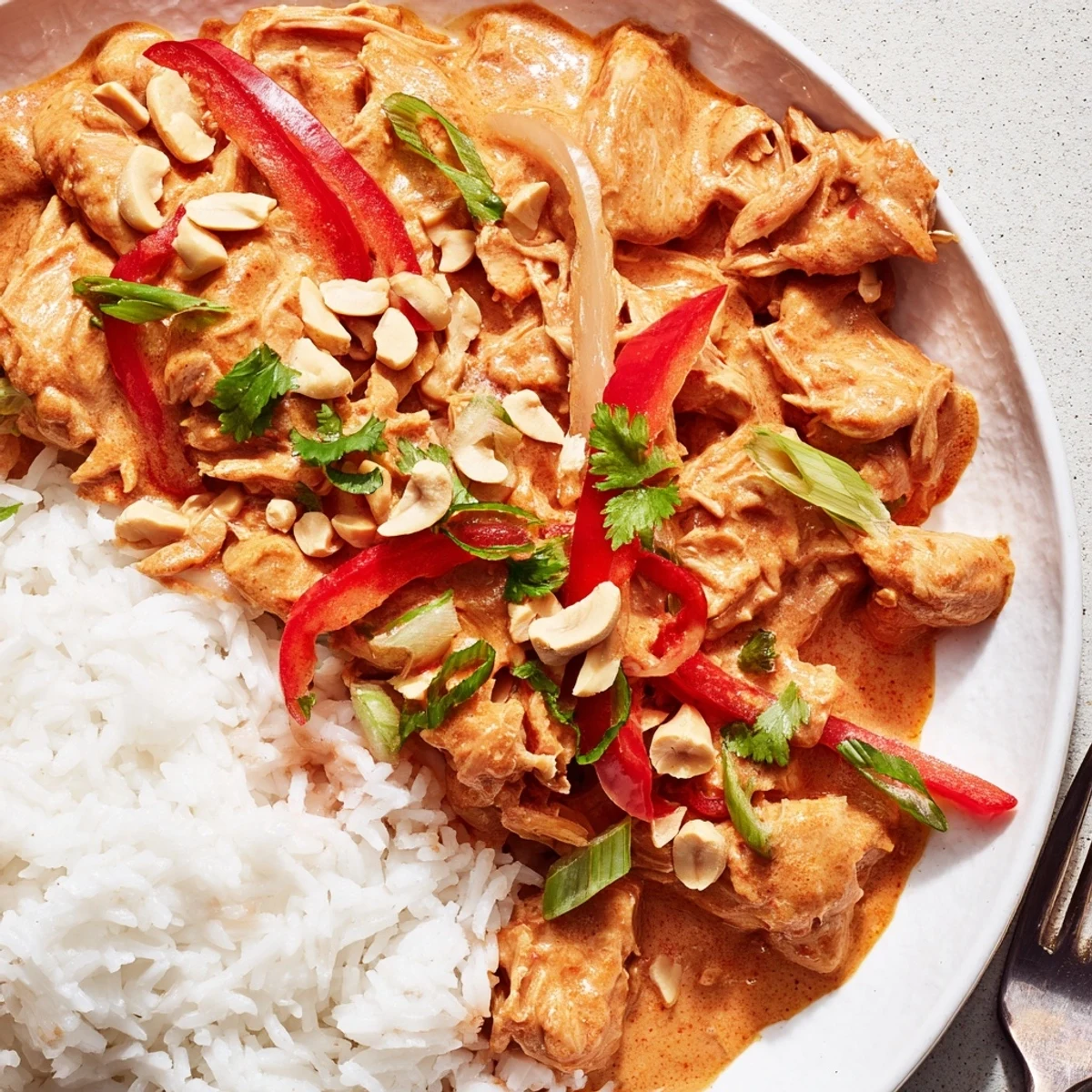
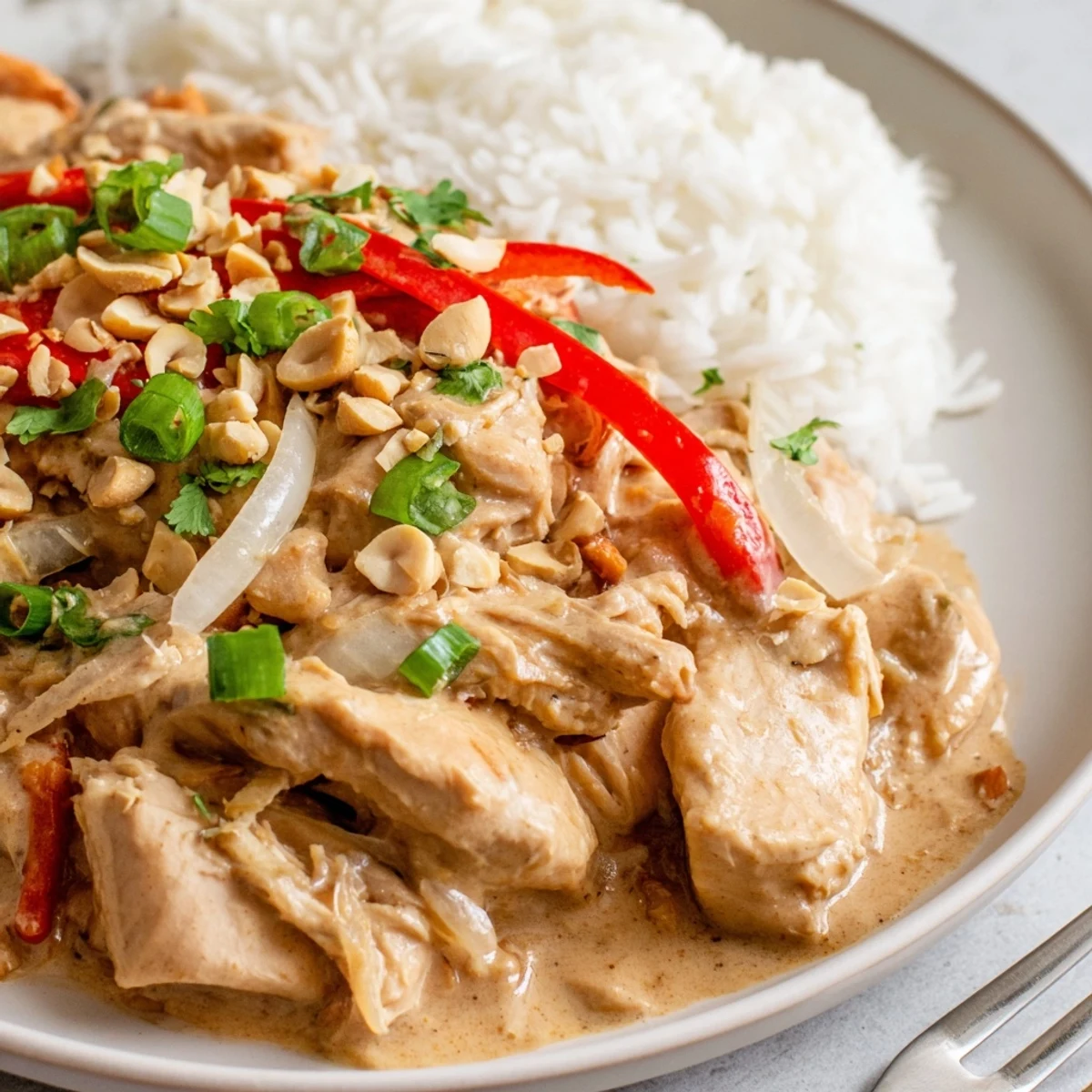
 This slow-cooked Thai peanut chicken layers boneless thighs or breasts with bell pepper, onion, garlic and ginger, then is bathed in a creamy sauce of peanut butter, coconut milk, soy, lime and a touch of honey. Cook low until tender, shred and stir back to coat. Serve over jasmine rice or noodles and top with chopped peanuts, green onions and cilantro for bright contrast.
The smell of coconut and peanut butter drifting through my apartment on a rainy Tuesday changed my entire relationship with slow cooker meals. I had tossed everything in before work, skeptical that a crockpot could capture anything close to real Thai flavors. Eight hours later I opened the door and the hallway smelled like a restaurant.
My neighbor actually knocked on my door that evening asking what I was cooking because the aroma had crept into the hallway. We ended up splitting the batch over jasmine rice and she brought over a bottle of Riesling that paired perfectly with the slight heat from the sriracha.
Ingredients
- Boneless skinless chicken thighs or breasts (1.5 lbs): Thighs stay juicier and more forgiving in the slow cooker but breasts work fine if that is what you have on hand.
- Red bell pepper (1, sliced): Adds sweetness and color that balances the rich sauce beautifully.
- Medium onion (1, sliced): Creates a savory base that melts into the sauce over the long cook time.
- Garlic cloves (3, minced): Fresh garlic makes a noticeable difference here so skip the jarred version if you can.
- Fresh ginger (1 tablespoon, grated): Microplane it directly over the crockpot so the juices fall right in.
- Creamy peanut butter (1/2 cup): Use a natural brand without added sugar for the best texture and flavor.
- Low sodium soy sauce (1/3 cup): Low sodium lets you control the salt level since the peanut butter already adds richness.
- Honey (2 tablespoons): Balances the salty soy and bright lime with a gentle sweetness.
- Rice vinegar (1 tablespoon): A subtle tang that rounds out the sauce without overpowering it.
- Lime juice (1 tablespoon): Fresh squeezed only because the bottled stuff tastes flat in this dish.
- Coconut milk (1/2 cup, canned): Full fat gives the sauce a luxurious body but light coconut milk works for a thinner consistency.
- Sriracha (1 tablespoon, optional): Adjust up or down depending on your heat tolerance.
- Roasted peanuts (1/4 cup, chopped): The crunch on top is nonnegotiable in my kitchen.
- Green onions (2, sliced): A fresh sharp bite that cuts through the richness of the sauce.
- Fresh cilantro: Scattered generously over each bowl for brightness.
- Cooked jasmine rice or rice noodles: Both work but jasmine rice soaks up the sauce like a dream.
Instructions
- Load the crockpot:
- Lay the chicken pieces in the bottom of your slow cooker and scatter the sliced bell pepper, onion, minced garlic, and grated ginger right on top.
- Whisk the sauce:
- In a medium bowl, combine the peanut butter, soy sauce, honey, rice vinegar, lime juice, coconut milk, and sriracha. Whisk until completely smooth with no streaks of peanut butter remaining.
- Pour and forget:
- Pour the sauce evenly over the chicken and vegetables, giving the crockpot a gentle shake so everything settles into the liquid. Cover with the lid and walk away.
- Cook low and slow:
- Set your slow cooker to low for 5 to 6 hours or high for 2 to 3 hours until the chicken is fork tender and cooked through.
- Shred and return:
- Remove the chicken and shred it using two forks, then slide it back into the sauce and stir so every piece is coated in that creamy peanut mixture.
- Build your bowl:
- Spoon the chicken and sauce over steamed jasmine rice or rice noodles, then finish with chopped peanuts, sliced green onions, and a handful of fresh cilantro.
 Save to Pinterest
 This dish became my go to for potlucks after a friend requested it three weeks in a row. There is something about a big steaming bowl of peanut sauce covered chicken that makes people feel instantly comfortable and at home.
Making It Your Own
Toss in steamed broccoli florets or snap peas during the last 30 minutes if you want more vegetables without much effort. You can swap the peanut butter for almond butter or sunflower seed butter to make it nut free, and the flavor stays wonderful.
What to Serve Alongside
A cold glass of Riesling or a tall Thai iced tea balances the warmth and spice perfectly. Sometimes I add a simple cucumber salad with rice vinegar on the side for a refreshing crunch.
Storing and Reheating
The sauce actually thickens and tastes even better the next day after the flavors meld overnight in the fridge. Reheat gently on the stove or in the microwave with a splash of coconut milk to loosen it back up.
- Store leftovers in an airtight container for up to 4 days.
- Freeze portions without the rice for easy lunches later.
- Always check your soy sauce label if cooking for someone with gluten sensitivity.
 Save to Pinterest
 Some recipes become staples because they ask so little and give so much back. This one earns a permanent spot in your rotation the first time you walk through the door and smell it waiting for you.
Recipe Q&A
- → Can I use chicken breasts instead of thighs?
-
Yes. Breasts will cook through faster and can dry if overcooked; check earlier and remove when tender. For shredding, allow a short rest before pulling apart and stir back into the sauce to keep moist.
- → How can I thicken the sauce if it seems thin?
-
Remove lid and simmer on high for 20–30 minutes to reduce. Alternatively, whisk 1–2 teaspoons of cornstarch with cold water and stir into the hot sauce off the heat, then return to the cooker briefly to thicken.
- → Is there a peanut-free alternative?
-
Yes—substitute sunflower seed butter or almond butter and taste for balance. You may need slightly less sweetener or a splash more lime to brighten the flavor when changing the base nut butter.
- → When should I add extra vegetables?
-
Heartier veg like carrots can go in at the start; quick-cooking items such as snap peas, broccoli florets or baby bok choy are best stirred in during the last 20–30 minutes to retain texture and color.
- → How do I control the spice level?
-
Adjust sriracha or other chili sauce to taste. Start with a small amount and add more after tasting the finished dish. Fresh sliced chilies or a pinch of red pepper flakes will increase heat quickly.
- → What’s the best way to store and reheat leftovers?
-
Cool completely, refrigerate in an airtight container for 3–4 days or freeze up to 3 months. Reheat gently on the stovetop or in the microwave with a splash of coconut milk or water to loosen the sauce and prevent drying.