 Save to Pinterest
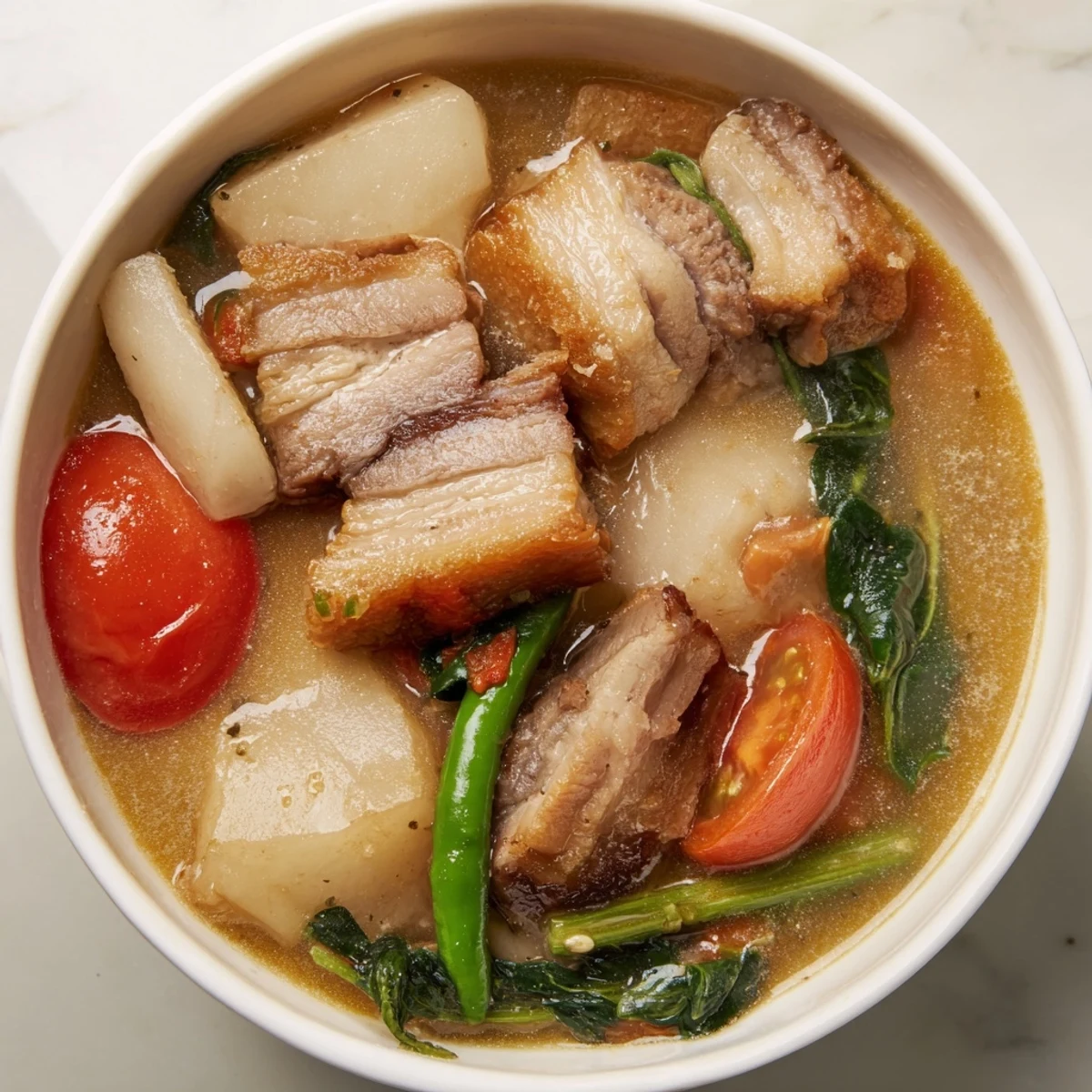
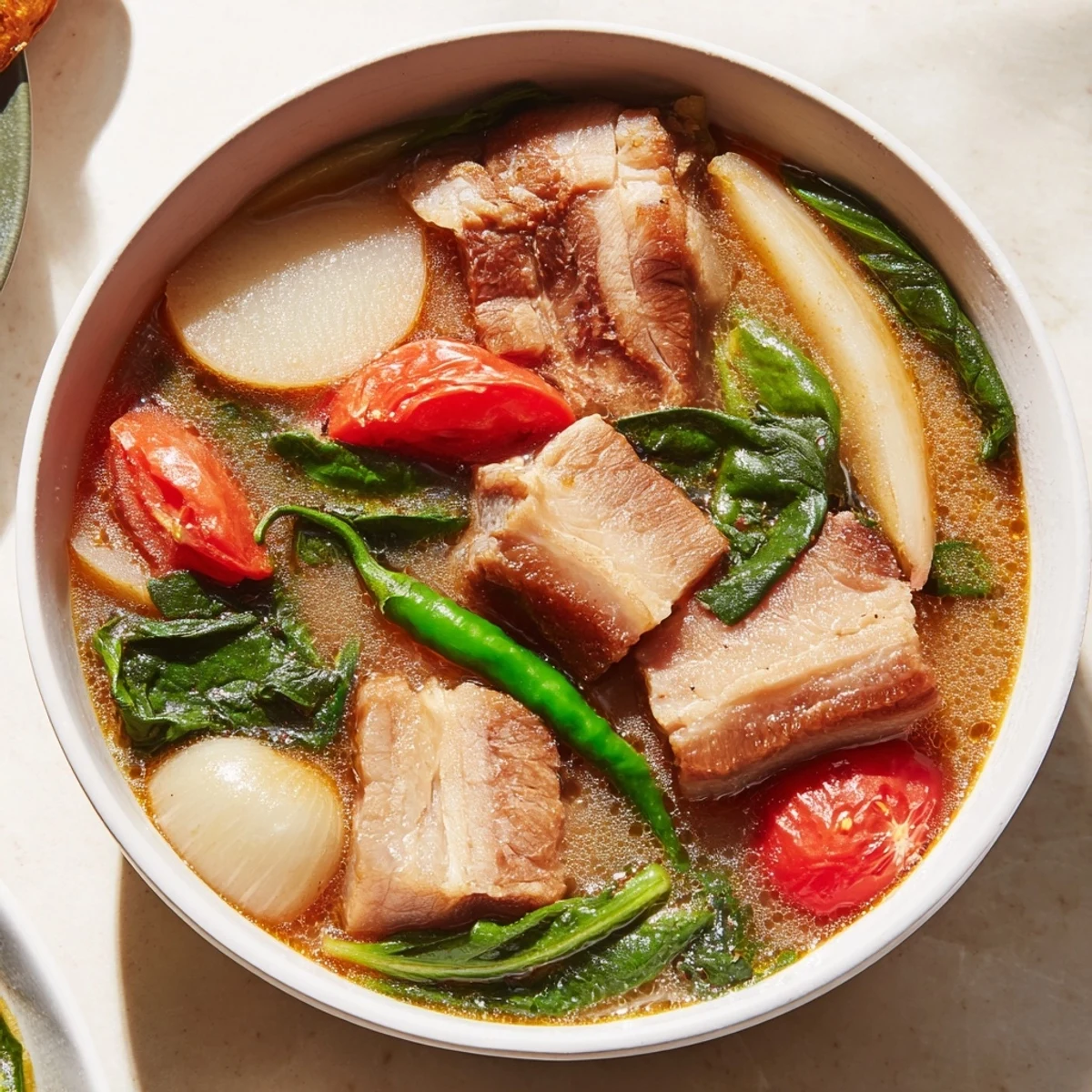
 Sinigang delivers that perfect balance of tangy and savory that Filipino cuisine is known for. The sour tamarind broth cuts through the richness of pork belly, while vegetables like daikon radish, eggplant, and string beans add texture and nutrition. Ready in just over an hour, this comforting soup serves six and pairs beautifully with steamed white rice. Adjust the sourness to your liking and customize with your favorite vegetables or swap pork for shrimp and fish.
The first time my auntie served Sinigang during a stormy afternoon in Manila, I couldn't believe how something so sour could feel so comforting. Rain pounded against the tin roof while steam rose from our bowls, carrying that unmistakable tangy scent that makes your mouth water before you even take a bite. She told me the secret is patience, letting the pork transform in that simmering broth until it falls apart at the slightest touch.
Last winter, when my roommate caught a nasty flu, I made a massive pot of Sinigang. She curled up on the couch with her bowl, sniffled twice, then looked up with teary eyes and said this was exactly what Filipino grandmothers must prescribe for everything. Now whenever anyone in our house feels under the weather, they start asking for that sour soup without even saying a word.
Ingredients
- 1 kg pork belly or pork ribs: I prefer pork belly for that melting tenderness, but my cousin swears by ribs for extra flavor in the broth
- 2 medium tomatoes: Quarter these generously, they break down and create a subtle sweetness that balances the sourness
- 1 large onion: Peeling and quartering is easier than chopping, plus the larger pieces infuse the broth without disappearing completely
- 1 daikon radish: Peel and slice into half moons, these absorb the sour broth like little flavor sponges
- 10 string beans: Trim them and cut into 2 inch pieces so theyre easy to eat with a spoon
- 1 eggplant: Slice into thick rounds, they become silky soft in the hot soup
- 2 cups spinach or kangkong: Wash thoroughly, these go in last so they stay vibrant and just wilted
- 2 long green chili peppers: Optional, but I love the gentle heat that builds slowly
- 1 packet tamarind soup base mix: The shortcut that still tastes authentic, though fresh tamarind pulp is worth hunting down
- 2 tbsp fish sauce: This is the salty backbone, don't skip it or substitute
- 1 tsp salt: Adjust based on your fish sauce, some brands are saltier than others
- ½ tsp freshly ground black pepper: Freshly ground makes a noticeable difference here
- 6 cups water: Start with less if you prefer a more concentrated broth
Instructions
- Start the broth:
- Bring water to a rolling boil in your largest pot, then add the pork chunks. Stand watch for the first few minutes, skimming off any gray foam that rises to the top, this step is worth the extra attention for a cleaner tasting soup.
- Build the foundation:
- Add the quartered tomatoes and onion, then reduce heat and let everything simmer for about 20 minutes. You'll know the pork is starting to tenderize when a fork slides in with just a little resistance.
- Add the root vegetables:
- Drop in the daikon radish slices and cook for 10 minutes more. They should be translucent but still hold their shape when you test one with a spoon.
- Introduce the soft vegetables:
- Add eggplant, string beans, and those green chilies if you're using them. Let them simmer gently for 5 minutes, watching as the eggplant starts to turn creamy.
- Create the signature sourness:
- Stir in the tamarind soup base until fully dissolved. If you're using fresh tamarind pulp, mash it with some hot water first, then strain the liquid into the pot.
- Season perfectly:
- Add fish sauce, salt, and pepper, then taste and adjust. The broth should hit that perfect point where your mouth puckers just a little.
- Finish with greens:
- Drop in the spinach or kangkong leaves and simmer for just 2 to 3 minutes until they wilt but still have their bright color.
- Serve immediately:
- Ladle hot into bowls over steamed white rice, making sure everyone gets plenty of vegetables and tender pork in their portion.
 Save to Pinterest
 My friend Marco, who grew up in a Filipino American household, told me that whenever he had a bad day at school, his mom would silently make Sinigang. She never asked what was wrong, but somehow that sour broth always made everything feel a little more manageable. Now whenever I make it, I think of her quiet wisdom and how some dishes just know how to hold you.
Getting The Sourness Right
I've learned that everyone's tolerance for sourness is different. My grandmother would add tamarind until my face puckered, while my sister prefers just a gentle tang. Start with less than you think you need, taste after each addition, and remember that the sourness intensifies as the soup sits. The broth should make you salivate, not wince.
Choosing Your Protein
Pork belly is my go to for that rich, melting quality, but I've discovered that shrimp transforms Sinigang into something entirely different, a lighter, more delicate soup perfect for hot summer days. Just remember to add shrimp or fish during the last ten minutes of cooking, or you'll end up with rubbery seafood that breaks apart.
Building Your Perfect Bowl
The art of eating Sinigang lies in how you assemble your bowl. I always start with a bed of steaming rice, then ladle the soup over it so the grains absorb all that tangy broth. Make sure each spoonful has a bit of everything, tender pork, soft vegetables, and that precious liquid gold.
- Keep some extra fish sauce on the table for those who want more saltiness
- A squeeze of fresh calamansi or lime right before eating brightens everything
- Have extra rice ready, because you'll definitely want seconds
 Save to Pinterest
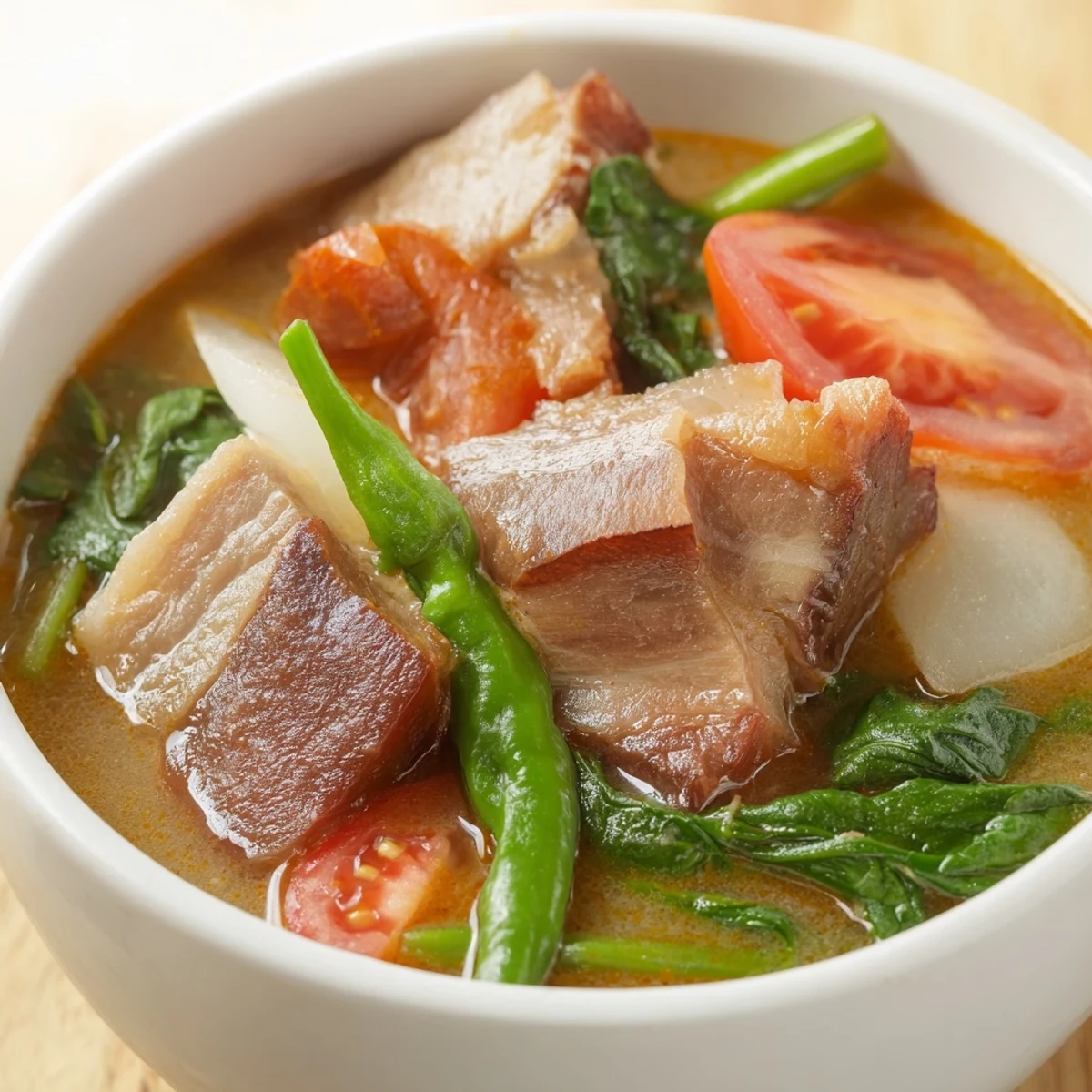
 There's something about Sinigang that turns a regular Tuesday dinner into a gathering, people lingering over their bowls long after the food is gone. Maybe it's the way the sour broth cuts through rich meat, or how those tender vegetables feel like a hug from the inside out.
Recipe Q&A
- → What makes Sinigang sour?
-
The signature sourness comes from tamarind, either fresh pulp or soup base mix. You can adjust the intensity by adding more or less tamarind according to your taste preference.
- → Can I make Sinigang with other proteins?
-
Absolutely. While pork belly and ribs are traditional, you can substitute with beef, shrimp, or fish. Seafood versions cook faster and should be added during the last 10 minutes.
- → What vegetables work best in Sinigang?
-
Classic additions include daikon radish, eggplant, string beans, tomatoes, onions, and leafy greens like spinach or kangkong. You can also add okra or taro for variety.
- → How do I store and reheat leftovers?
-
Store cooled soup in an airtight container in the refrigerator for up to 3 days. Reheat gently on the stovetop, adding a splash of water if the broth has thickened.
- → Is Sinigang spicy?
-
The traditional version is not inherently spicy. Long green chili peppers add mild heat but are optional. Adjust the amount or omit entirely based on your spice tolerance.