 Save to Pinterest
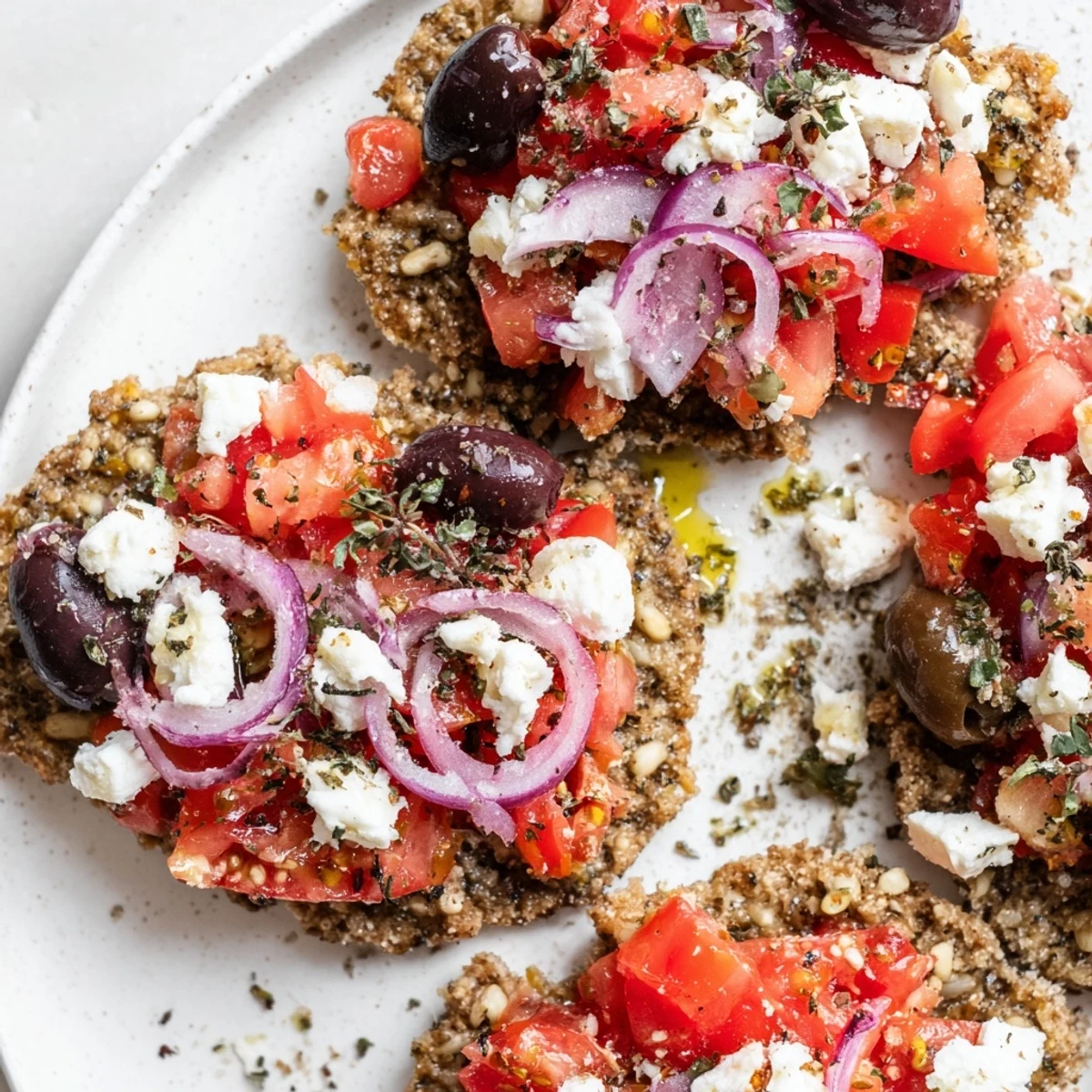
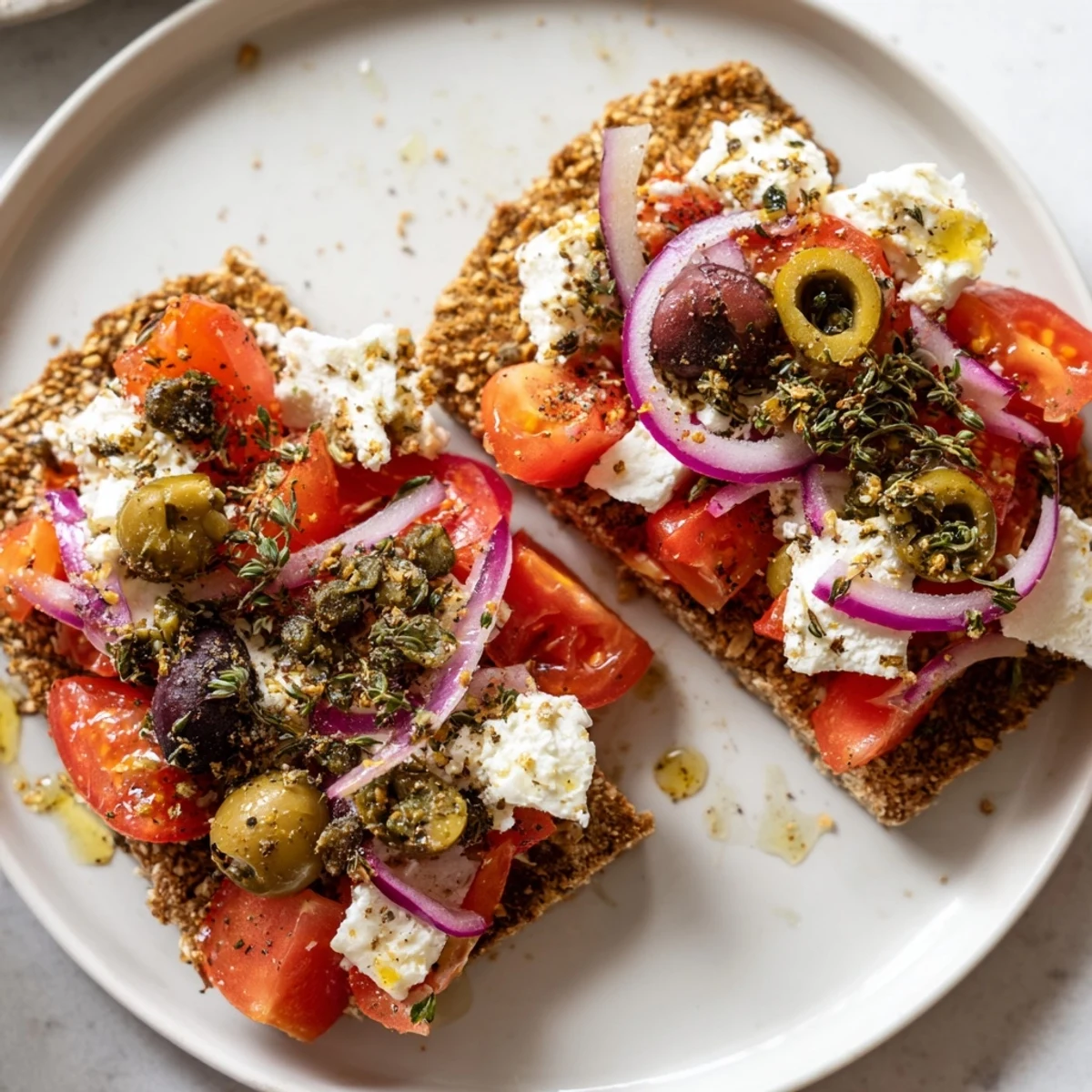
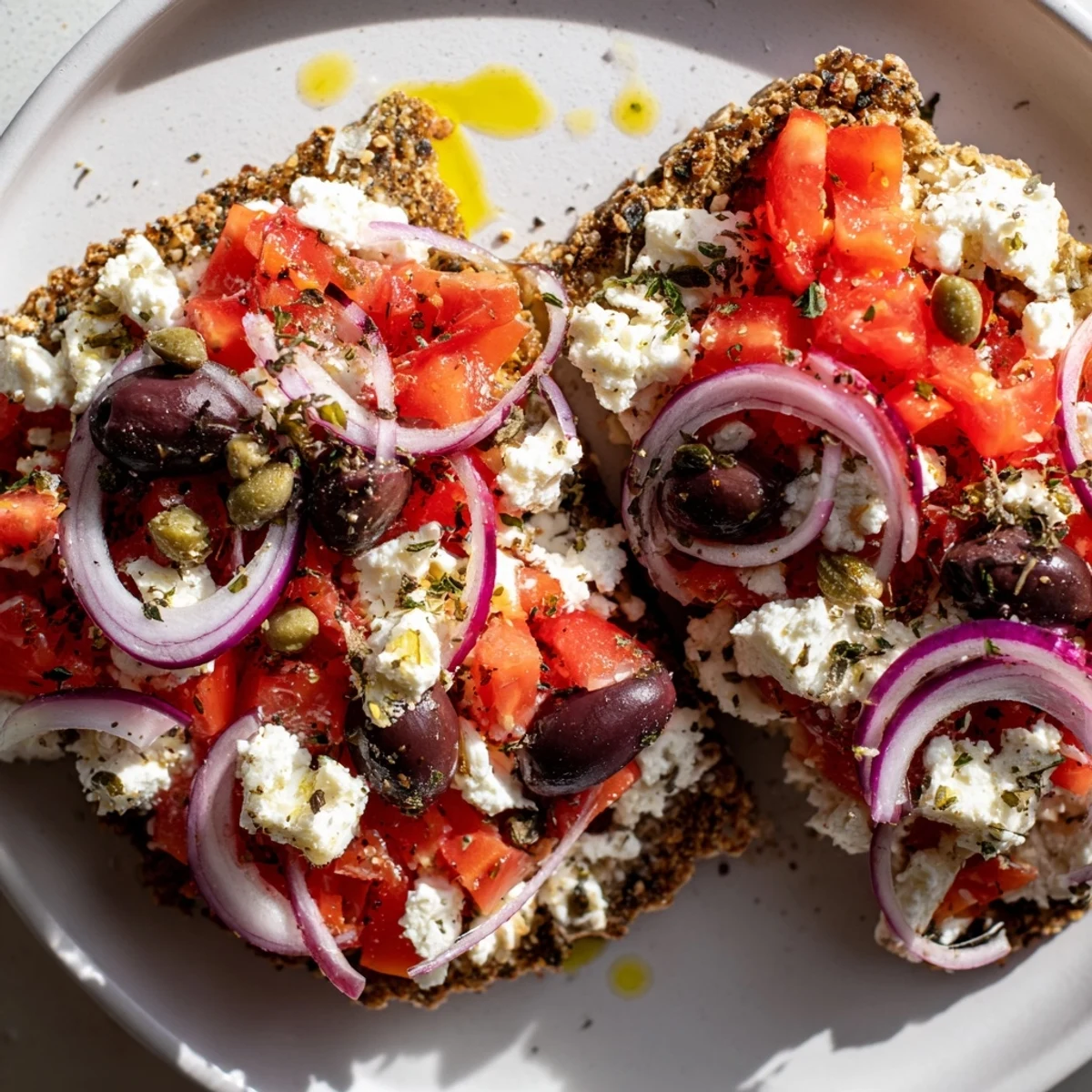
 These crispy Cretan rusks bring the flavors of the Greek island straight to your table. Barley rusks are lightly brushed with olive oil and baked until golden and fragrant, then piled high with ripe diced tomatoes, crumbled feta cheese, sliced red onion, Kalamata olives and fragrant fresh oregano.
Ready in just 30 minutes with 15 minutes of hands-on preparation, this vegetarian appetizer feeds four and makes an ideal meze or party snack. A drizzle of extra virgin olive oil and a generous crack of black pepper finish each piece beautifully.
Serve them immediately while still crisp, alongside a chilled glass of retsina or crisp white wine for an authentic Mediterranean experience.
The afternoon sun was brutal the day my friend Eleni handed me a barley rusk at her kitchen table in Chania, topped with tomatoes and crumbled feta so generous it tumbled off the edges. I bit into it and the crunch echoed through her tiny apartment, followed by this rush of salty, herb scented brightness that made me close my eyes. I had been eating fancy restaurant meals all week, but this humble little thing was the dish I could not stop thinking about on the flight home.
I made these for a rooftop dinner last summer when the temperature refused to drop below thirty degrees and nobody wanted to cook. My friend Marco ate four of them standing up before I even finished plating the main course, olive oil running down his wrist, not even embarrassed about it.
Ingredients
- 8 Cretan barley rusks (paximadia): These rock hard twice baked breads are the backbone of the dish, found in Greek markets or online, and nothing else gives you that same satisfying shatter.
- 100 ml extra virgin olive oil: Use the good stuff here because it is not just a cooking fat, it is a flavor that soaks into the rusk and carries everything else.
- 200 g feta cheese, crumbled: A dry, crumbly feta works better than the creamy kind because you want those salty chunks to sit on top rather than melt away.
- 200 g ripe tomatoes, finely diced: The juicier the better since that moisture softens the rusk just enough, so use the reddest, most fragrant ones you can find.
- 2 tbsp fresh oregano, chopped: Fresh oregano has a piney warmth that dried cannot match, though in a pinch a teaspoon of the dried version steeped in the tomato mixture will do.
- 1 small red onion, finely sliced: Soak the slices in cold water for five minutes if you find raw onion too aggressive, it tames the bite without losing the crunch.
- 1 tbsp capers (optional): Rinse them well under cold water to remove excess brine so they add a bright pop instead of a salty punch.
- 30 g Kalamata olives, pitted and sliced: Slice rather than chop so you get these beautiful dark ribbons scattered across the top.
- Freshly ground black pepper: Coarsely ground is best because the larger flakes catch in the feta crevices and deliver little bursts of heat.
Instructions
- Warm the oven:
- Set it to 180 degrees Celsius and let it come fully to temperature while you prepare the rusks, because a properly heated oven means even toasting rather than gradual drying out.
- Brush and bake the rusks:
- Use a pastry brush to coat each rusk lightly with olive oil on both sides, lay them on a baking tray, and bake for five to eight minutes until they smell like a warm bakery and have deepened in color at the edges.
- Make the tomato mixture:
- While the rusks toast, toss the diced tomatoes with half the oregano and a few grinds of pepper in a bowl, stirring gently so the tomatoes release a little juice without turning to mush.
- Cool the rusks briefly:
- Pull them from the oven and give them just a minute so you do not melt the feta instantly on contact, though a little softening is actually welcome.
- Build the layers:
- Spoon the tomato mixture onto each rusk, pressing gently so the juices seep into the surface, then scatter generous crumbles of feta on top, piling it higher than you think you should.
- Finish with garnishes:
- Arrange the red onion slices, olive pieces, and capers across the top, scatter the remaining oregano, drizzle with the rest of the olive oil, and finish with a final cascade of black pepper.
- Serve immediately:
- Get them to the table while the rusks are still shatteringly crisp because within ten minutes the tomato juice will begin its slow work and the texture shifts from dramatic crunch to something softer and still wonderful but different.
 Save to Pinterest
 There is a specific kind of silence that falls over a table when everyone is eating something truly satisfying, and I heard it the night I served these to three friends who had been arguing about politics twenty minutes earlier.
What to Drink Alongside
A chilled glass of retsina with its pine resin edge cuts straight through the salt of the feta and the richness of the olive oil in a way that feels almost intentional, as if the Greeks designed this pairing centuries ago. A crisp Assyrtiko or even a dry rosé works beautifully too if retsina feels too adventurous for your guests.
When Rusks Are Hard to Find
Whole wheat crackers or thick slices of sourdough toasted until very dry can step in respectably, though you lose some of the nutty barley sweetness that makes the Cretan version special. I once used thick cut baguette rounds toasted twice and nobody complained, but I knew the difference and it nagged at me quietly.
Changing It Up Without Losing the Spirit
The beauty of this recipe is how forgiving it is, so treat it as a template rather than a strict set of rules. Some of my favorite versions have strayed far from the original and still captured that Cretan soul of simplicity and abundance.
- A sprinkle of dried chili flakes across the top adds a warmth that changes the whole mood of the dish without overpowering anything.
- Thinly sliced cucumber tucked underneath the tomato adds a cool crunch that is especially welcome on the hottest days.
- A final squeeze of lemon juice right before serving brightens everything and makes the feta taste even more vibrant.
 Save to Pinterest
 Some dishes feed the body and some feed the story you tell about where you have been, and these little rusks manage to do both without any fuss at all. Make them once and they will show up in your kitchen every summer after that, uninvited and always welcome.
Recipe Q&A
- → What are Cretan barley rusks (paximadia)?
-
Cretan barley rusks, also called paximadia, are traditional twice-baked bread rounds made from barley flour. They are rock-hard and extremely dry, designed for long storage. When moistened with olive oil or water, they soften slightly while retaining a satisfying crunch that makes them ideal for topping.
- → Can I make these feta rusks ahead of time?
-
It is best to prepare the components separately and assemble just before serving. You can toast the rusks and prepare the tomato mixture up to a few hours ahead, but topping them too early will cause the rusks to lose their signature crispness and become soggy.
- → What can I substitute for barley rusks?
-
If you cannot find paximadia, thick-cut whole wheat crackers, toasted ciabatta slices, or large crostini work well as alternatives. The key is choosing something sturdy enough to hold the toppings without collapsing under the weight of the feta and vegetables.
- → Which type of feta works best for this dish?
-
Authentic Greek feta made from sheep's milk or a blend of sheep and goat's milk delivers the best tangy, crumbly texture. Look for feta stored in brine rather than pre-crumbled versions, as it has superior flavor and creams nicely when crumbled over the warm rusks.
- → How should I store leftover assembled rusks?
-
Assembled rusks do not store well since the toppings will soften the base. Instead, store leftover plain toasted rusks in an airtight container at room temperature for up to a week, and keep the tomato-feta mixture separately in the refrigerator for one to two days.
- → Are these rusks suitable for a vegetarian diet?
-
Yes, this dish is fully vegetarian. All ingredients are plant-based except the feta cheese, which is a dairy product. Just verify that the barley rusks do not contain any hidden animal-derived additives by checking the ingredient label carefully.