 Save to Pinterest
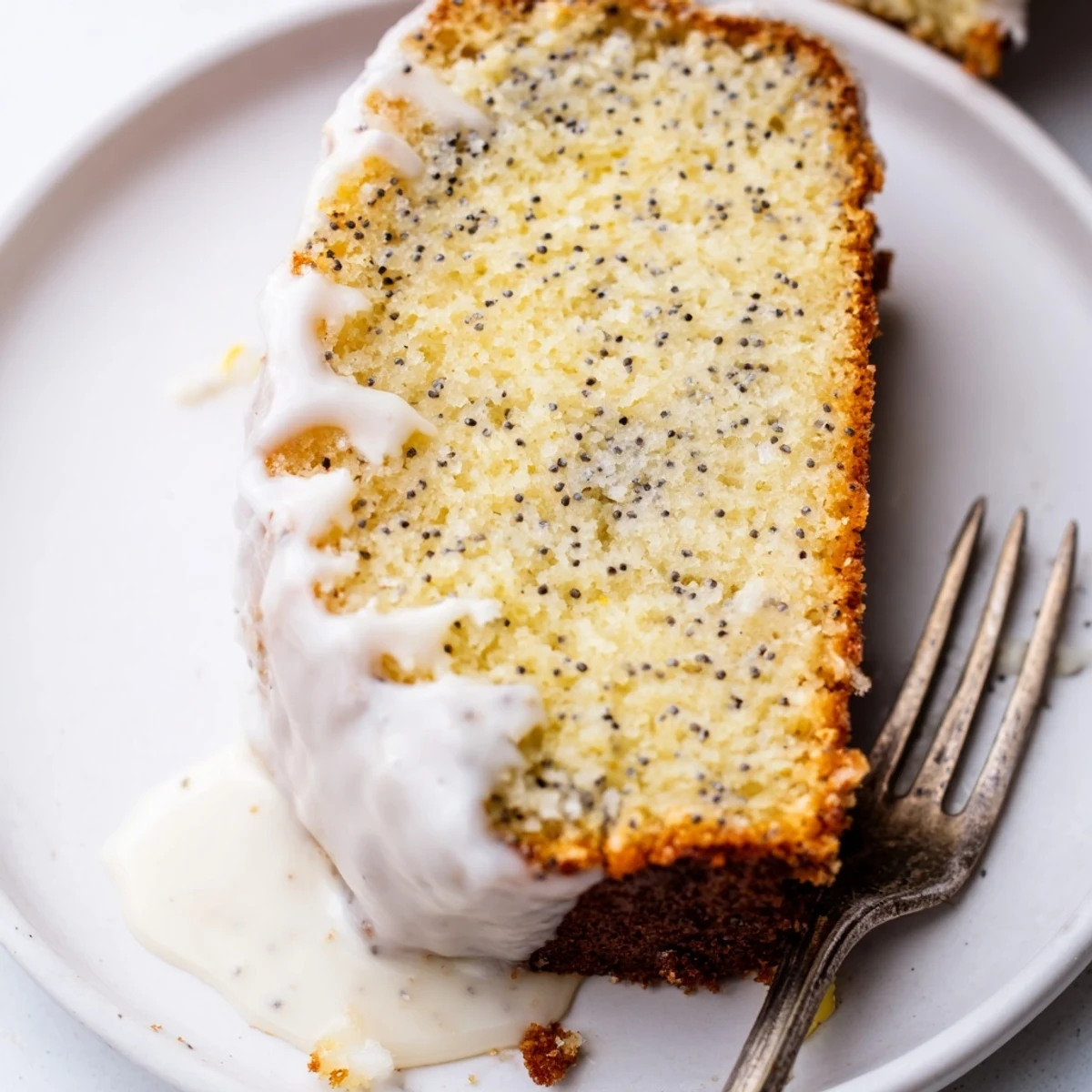
 This zesty lemon poppy seed delight combines bright citrus flavors with satisfying texture. The moist crumb comes from creamed butter and sugar, while fresh lemon juice and zest provide vibrant tanginess throughout.
Poppy seeds add a subtle crunch that pairs beautifully with the tender cake base. After baking to golden perfection, a simple powdered sugar and lemon juice glaze adds the finishing touch.
Ready in just over an hour with minimal prep work, this treat is perfect for spring celebrations, afternoon tea, or whenever you crave something bright and satisfying.
The screen door slapped shut behind me and the kitchen smelled like my grandmother had already been there, except she hadnt. It was just me, a bag of lemons from the farmers market, and a rainy Saturday afternoon that demanded baking. I had been eyeing a lemon poppy seed cake in a faded community cookbook for weeks, and something about the gray sky finally gave me permission to try it. That first loaf emerged golden and cracked on top, smelling like sunshine had kidnapped my oven.
I brought a loaf to my neighbor Helens birthday brunch and she carried the plate into the kitchen to hide it from the other guests. We laughed about it later but she admitted she wanted the last three slices for breakfast the next morning. That small act of cake hoarding told me everything I needed to know about whether this recipe worked.
Ingredients
- Unsalted butter (3/4 cup, softened): Room temperature butter creams properly with sugar and traps air for a lighter crumb, so pull it out an hour ahead.
- Granulated sugar (1 cup): Standard white sugar dissolves evenly during creaming and keeps the texture predictable.
- Large eggs (2): Eggs bind and lift the batter, and adding them one at a time prevents the mixture from separating.
- Whole milk (1/2 cup): Fat in whole milk keeps the cake tender, though sour cream works beautifully as a substitute.
- Fresh lemon juice (1/4 cup plus 2 tbsp for glaze): Bottled juice tastes flat and metallic next to fresh squeezed, so always use real lemons here.
- Lemon zest (1 tbsp): The zest holds the essential oils and delivers more citrus punch than the juice itself, so zest before you squeeze.
- All-purpose flour (1 1/2 cups): Spoon it into the cup and level with a knife to avoid packing too much flour into the batter.
- Baking powder (1 1/2 tsp): Check the expiration date because old baking powder quietly loses its lift and leaves you with a dense loaf.
- Salt (1/4 tsp): A small amount sharpens the lemon flavor and keeps the cake from tasting flat.
- Poppy seeds (2 tbsp): These little seeds toast slightly during baking and release a subtle nuttiness that complements the citrus.
- Powdered sugar (3/4 cup for glaze): Sift it first to avoid lumps in the glaze that will streak instead of drizzle.
Instructions
- Prep the pan and oven:
- Heat your oven to 350 degrees F and grease a 9 by 5 inch loaf pan or line it with parchment paper, leaving overhang on the sides for easy lifting later.
- Cream butter and sugar:
- Beat the softened butter and sugar together in a large bowl until the mixture turns pale and looks almost fluffy, which usually takes about three minutes with an electric mixer.
- Add the eggs:
- Drop in one egg at a time, beating well after each addition so the batter stays smooth and emulsified rather than looking curdled and broken.
- Combine wet ingredients:
- Pour in the milk, lemon juice, and lemon zest, stirring until everything is evenly distributed, and do not panic if the mixture looks slightly lumpy or curdled because the flour will bring it back together.
- Whisk dry ingredients:
- In a separate bowl, whisk the flour, baking powder, salt, and poppy seeds so the leavening and seeds are evenly distributed before they hit the wet mixture.
- Fold it all together:
- Add the dry ingredients to the wet in two or three additions, folding gently with a spatula until just combined, and stop as soon as you no longer see dry flour streaks.
- Bake the loaf:
- Scrape the batter into your prepared pan, smooth the top with the back of a spoon, and bake for 35 to 40 minutes until a toothpick poked into the center slides out clean.
- Cool before glazing:
- Let the cake sit in the pan for ten minutes to firm up, then transfer it to a wire rack to cool completely because warm cake will melt the glaze right off.
- Make and apply the glaze:
- Whisk the powdered sugar with two tablespoons of fresh lemon juice until smooth and pourable, then drizzle it over the cooled cake and let it set for about fifteen minutes before slicing.
 Save to Pinterest
 One spring evening I set a sliced loaf on the porch table while friends lingered over coffee and the last light caught the glaze in a way that made everyone reach for seconds before dinner was even mentioned.
When to Bake This Cake
Lemon poppy seed cake thrives in the awkward gap between winter citrus season and the arrival of summer berries, making it a natural bridge recipe for March and April gatherings. I have also served it at backyard barbecues in July because the bright acidity cuts through heavy grilled food better than you might expect from a dessert.
Swaps and Substitutions
Sour cream can replace the milk entirely for a denser, richer crumb that some people actually prefer. If you want to push the lemon flavor further, double the zest or add a quarter teaspoon of lemon extract to the batter and you will notice the difference immediately.
Storing and Serving
Wrap leftover slices tightly in plastic wrap and keep them at room temperature for up to three days, though they rarely last that long in my house. The glaze firms up enough that you can stack slices in a container without them sticking together. Serve each piece with a handful of fresh berries and a dollop of whipped cream if you want to make it feel like a proper dessert rather than a snack cake.
- Freeze unglazed loaves wrapped in foil for up to two months and thaw overnight on the counter.
- Warm a slice for ten seconds in the microwave to soften the crumb and intensify the lemon aroma.
- Always glaze after thawing, never before freezing, or the glaze weeps and turns sticky.
 Save to Pinterest
 This cake asks for almost nothing fancy and gives back a bright, tender loaf that feels like a small celebration every time you slice it. Keep it in your back pocket for the days when someone needs a little sunshine on a plate.
Recipe Q&A
- → Can I make this ahead of time?
-
Yes, this cake actually tastes better the next day as the flavors develop. Wrap tightly and store at room temperature for up to 3 days, or freeze for up to 3 months. Add the glaze before serving.
- → How do I get the most lemon flavor?
-
Use fresh lemon juice and zest for the brightest taste. Zest the lemons before juicing, and consider doubling the zest amount. You can also add 1 teaspoon of pure lemon extract for extra intensity.
- → Why did my batter look curdled?
-
This is normal when adding acidic lemon juice to the dairy mixture. The texture will smooth out once you incorporate the dry ingredients. Don't worry—the final result will be perfectly moist and tender.
- → Can I use different pans?
-
Yes! You can use two 8-inch round cake pans for layers, a bundt pan for a different presentation, or even muffin tins for individual servings. Adjust baking time accordingly—smaller pans will bake faster.
- → What's the best way to store leftovers?
-
Keep at room temperature in an airtight container or wrapped tightly in plastic for up to 3 days. For longer storage, refrigerate for up to a week or freeze unglazed portions for up to 3 months.
- → Can I make this dairy-free?
-
Substitute vegan butter sticks for the butter, and use your favorite non-dairy milk in place of whole milk. The texture and flavor will remain delicious while accommodating dietary needs.