 Save to Pinterest
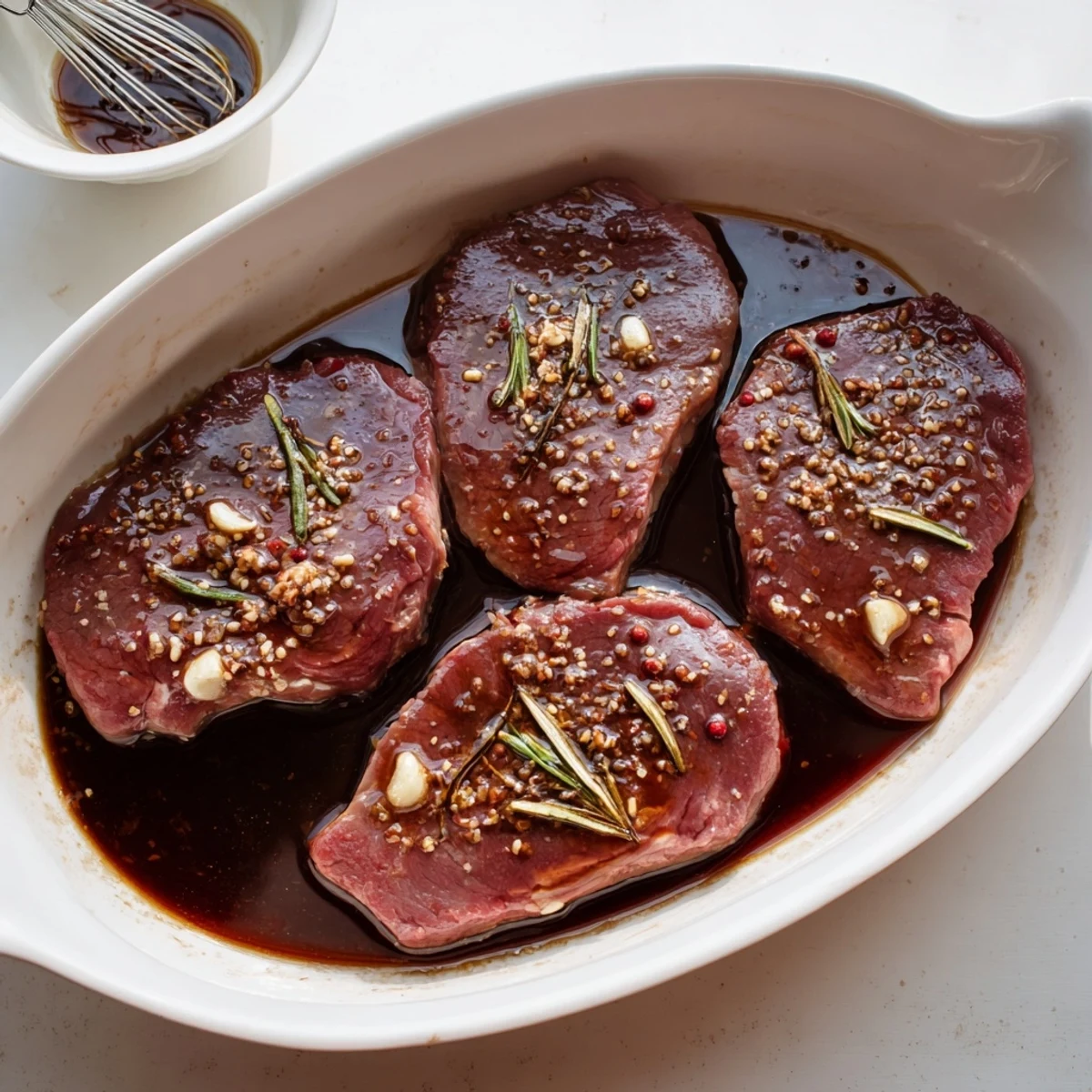
 This soy- and olive oil–based blend, brightened with balsamic and lemon and rounded with Worcestershire, garlic, Dijon, brown sugar and rosemary, tenderizes and layers savory flavor. Whisk, coat up to 800 g of steak, and marinate 2–24 hours for best results. Discard used marinade before grilling, broiling or pan-searing. Rest steaks 5–10 minutes before slicing. Makes enough for four steaks and pairs well with bold red wine.
The first time this steak marinade filled my kitchen with its savory scent I was chasing a quick fix for a midweek dinner. Citrus hit the air as I squeezed a lemon, and garlic mingled with the sound of the whisk. Sometimes, it’s less about perfection and more about the little surprises—like realizing you already have everything on hand. That’s exactly how this became my go-to whenever steak night appears, planned or not.
One summer I set out to impress my brother—big appetite, bigger steak opinions—and added just a touch too much rosemary as an experiment. Halfway through grilling he walked into the backyard, immediately asking what smelled so incredible, and ever since he’s become the resident marinade ambassador in our family.
Ingredients
- Soy sauce: The salty backbone—opt for low sodium if you prefer less salt, and gluten-free tamari for allergy-friendly swaps.
- Olive oil: Adds richness and helps the marinade cling; good-quality extra virgin makes a difference in roundness.
- Worcestershire sauce: Brings zing and that deep, umami complexity; I learned a little splash goes a long way.
- Balsamic vinegar: A hit of sweetness and tang that balances the salty kick—don’t skip it.
- Lemon juice (fresh): The acid tenderizes while adding brightness, and using fresh makes the flavor pop.
- Garlic (minced): Four cloves guarantee bold aromatic flavor; don’t be shy—even more if you love garlic.
- Dijon mustard: Slips in a gentle heat and emulsifies everything together smoothly.
- Brown sugar: Rounds out the tart, adding caramel notes and encouraging a lovely sear if you grill.
- Black pepper (freshly ground): The aromatic warmth builds in the background, so freshly cracked is best.
- Rosemary (dried or fresh, finely chopped): Earthy lift—I alternate fresh in summer and dried the rest of the year.
- Onion powder: A little dash to round out the savory base without fussing with chopping.
Instructions
- Whisk up the base:
- Start with a medium mixing bowl and whisk together the soy sauce, olive oil, Worcestershire, balsamic, and lemon juice until glossy and blended.
- Add the flavor makers:
- Sprinkle in minced garlic, Dijon, brown sugar, pepper, rosemary, and onion powder, then whisk vigorously—watch the mustard disappear into silky brown clouds.
- Marinate the steaks:
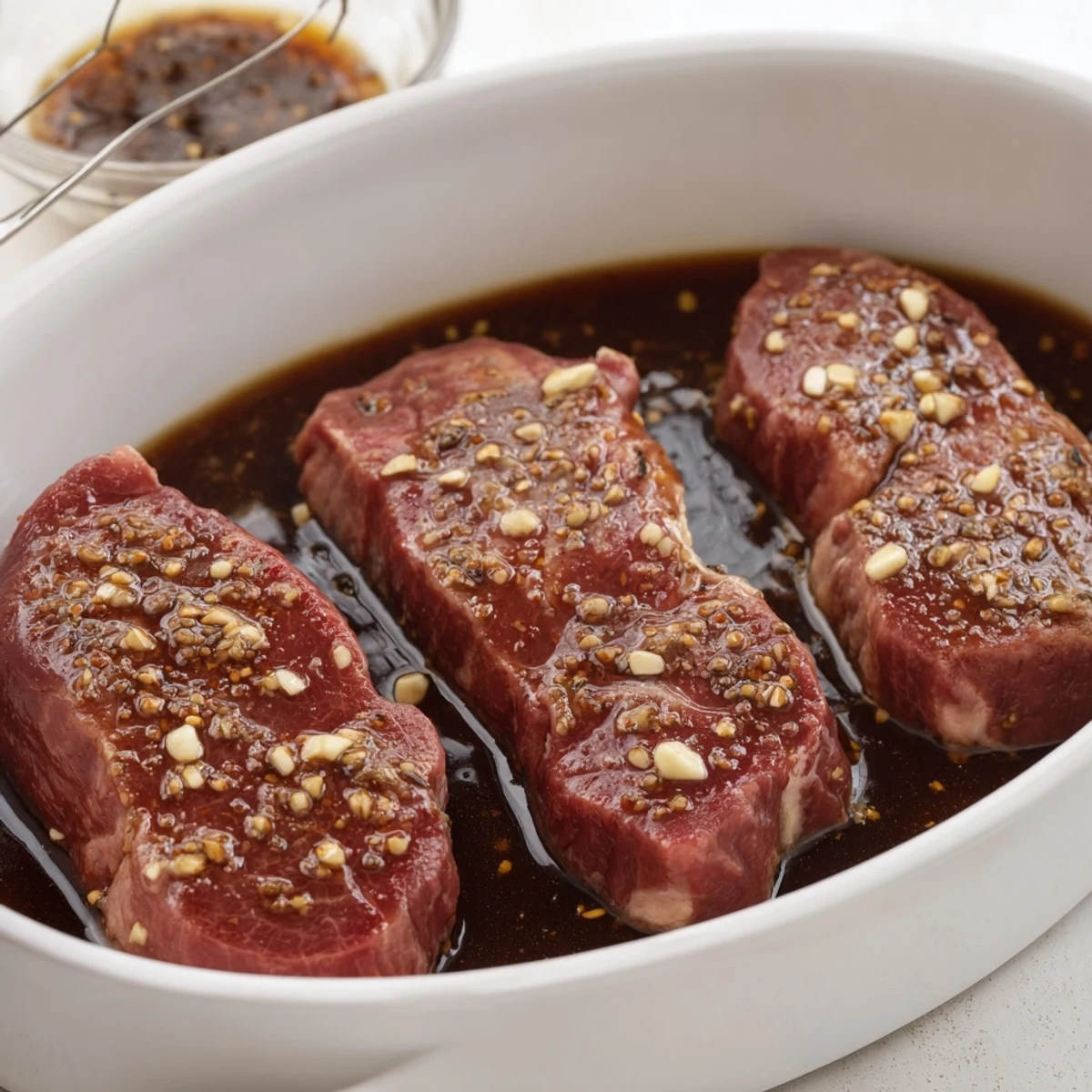
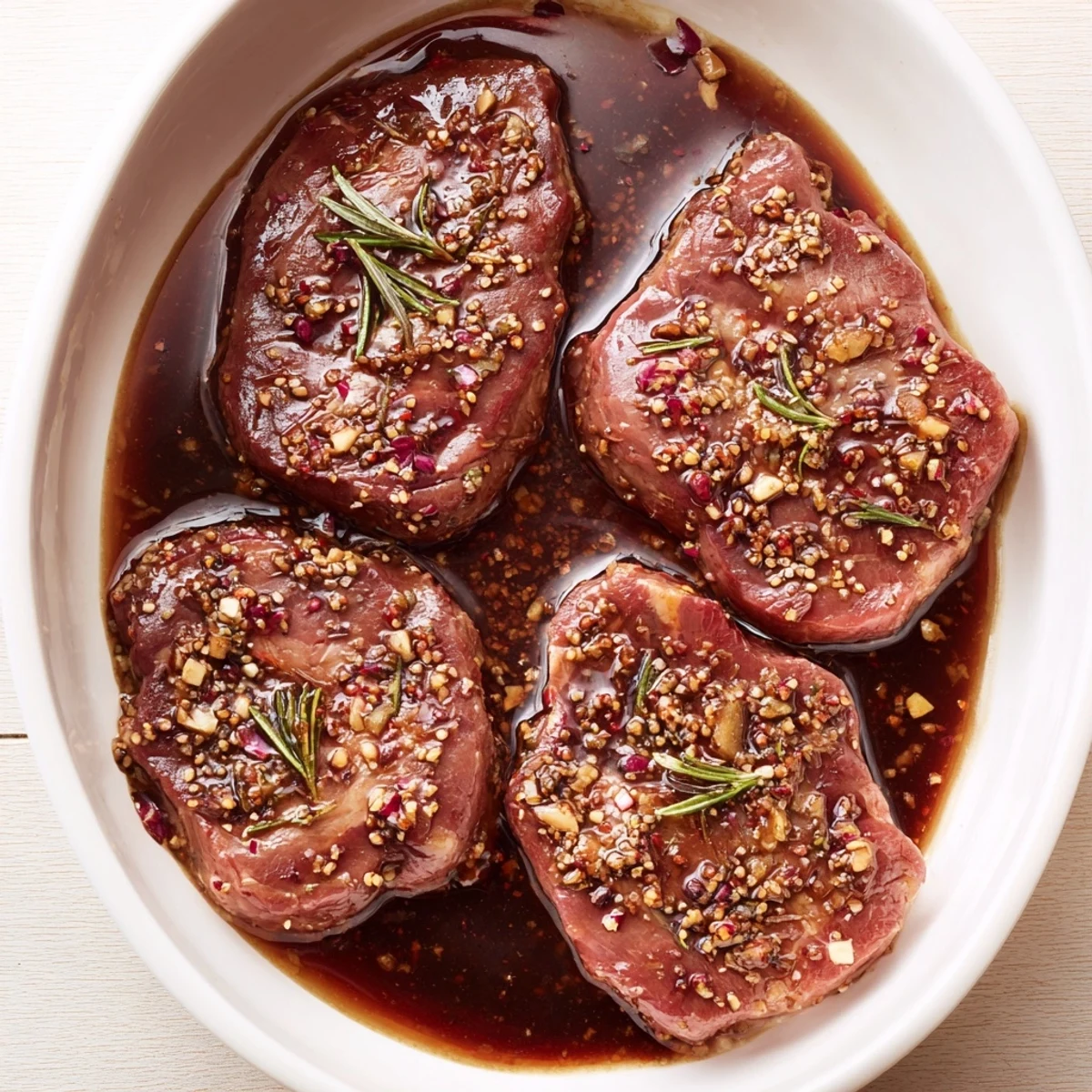
- Place steaks in a zip bag or shallow dish, then pour the marinade over, making sure every surface is slick and glistening.
- Refrigerate and flip:
- Seal and chill for at least 2 hours (I try for overnight)—flip them halfway if you remember, so every bit gets equal love.
- Remove and cook:
- Pat the steaks just barely dry before grilling or pan-searing—they’ll sizzle louder and get a deeper crust when not too wet.
 Save to Pinterest
 We once used this marinade at an impromptu cookout and even the neighbor who ‘doesn’t like steak’ went back for seconds. There’s always laughter when someone tries to guess what’s in it—and always one who wants the recipe sent right then and there.
Grill Like a Pro
I quickly found that letting steaks rest at room temperature after marinating, right before cooking, gives the most even doneness—no cold centers. Searing over a screaming hot grill or cast iron pan is my favorite part; the garlic and brown sugar caramelize and you can smell when it’s just right.
Customize Your Marinade
A pinch of crushed red pepper flakes gives the marinade a mild kick—handy if you’re feeding a crew that loves spice. Sometimes I swap in honey for the brown sugar or toss in a bit of fresh thyme, and it always comes out with a new personality but the same easy charm.
Serving and Pairing Ideas
After resting, slice the steak thinly across the grain to keep every bite tender and juicy. I love piling slices onto a tossed green salad or next to buttery smashed potatoes when it’s chilly outside. Pour yourself a glass of something bold and you’ve got the perfect plate.
- Save a spoonful of unused marinade to brush on veggies before grilling for flavor harmony.
- Pair with roasted corn or a tomato salad for a fresh contrast.
- Don’t forget to preheat your grill or pan—hotter is better for caramelizing that crust.
 Save to Pinterest
 This steak marinade feels like an ace up your sleeve—a little planning, big flavor, and always a reason to linger at the table a while longer. Hope you enjoy every sizzle and bite as much as we do.
Recipe Q&A
- → How long should steaks marinate?
-
Marinate at least 2 hours to build surface flavor and up to 24 hours for deeper tenderizing. Thicker cuts benefit from longer time; very thin cuts need less. Acidic components like lemon can begin to denature surface proteins if left excessively long.
- → Can I reuse the marinade as a sauce?
-
Used marinade that has contacted raw meat should be discarded. If you want to use it as a sauce, simmer it briskly for several minutes to kill bacteria and reduce slightly to concentrate flavor before serving.
- → What are good cooking methods after marinating?
-
High-heat methods work best: direct grilling, hot pan-searing, or broiling to develop a caramelized crust. Pat steaks dry before cooking, use high heat, and rest briefly after cooking to retain juices.
- → How can I make this suitable for gluten-free needs?
-
Replace regular soy sauce with tamari or a certified gluten-free soy sauce and choose a gluten-free Worcestershire. Also double-check labels on bottled ingredients to avoid hidden gluten.
- → Can I use this mixture on other proteins?
-
Yes—this blend suits pork chops and chicken breasts. Reduce marination time for delicate poultry (30 minutes to 2 hours) and adjust cooking times accordingly.
- → How do I adjust heat or sweetness?
-
For heat, add crushed red pepper flakes or a dash of hot sauce. For sweetness, swap brown sugar for honey or increase brown sugar slightly; balance with acidity from lemon or balsamic as needed.