 Save to Pinterest
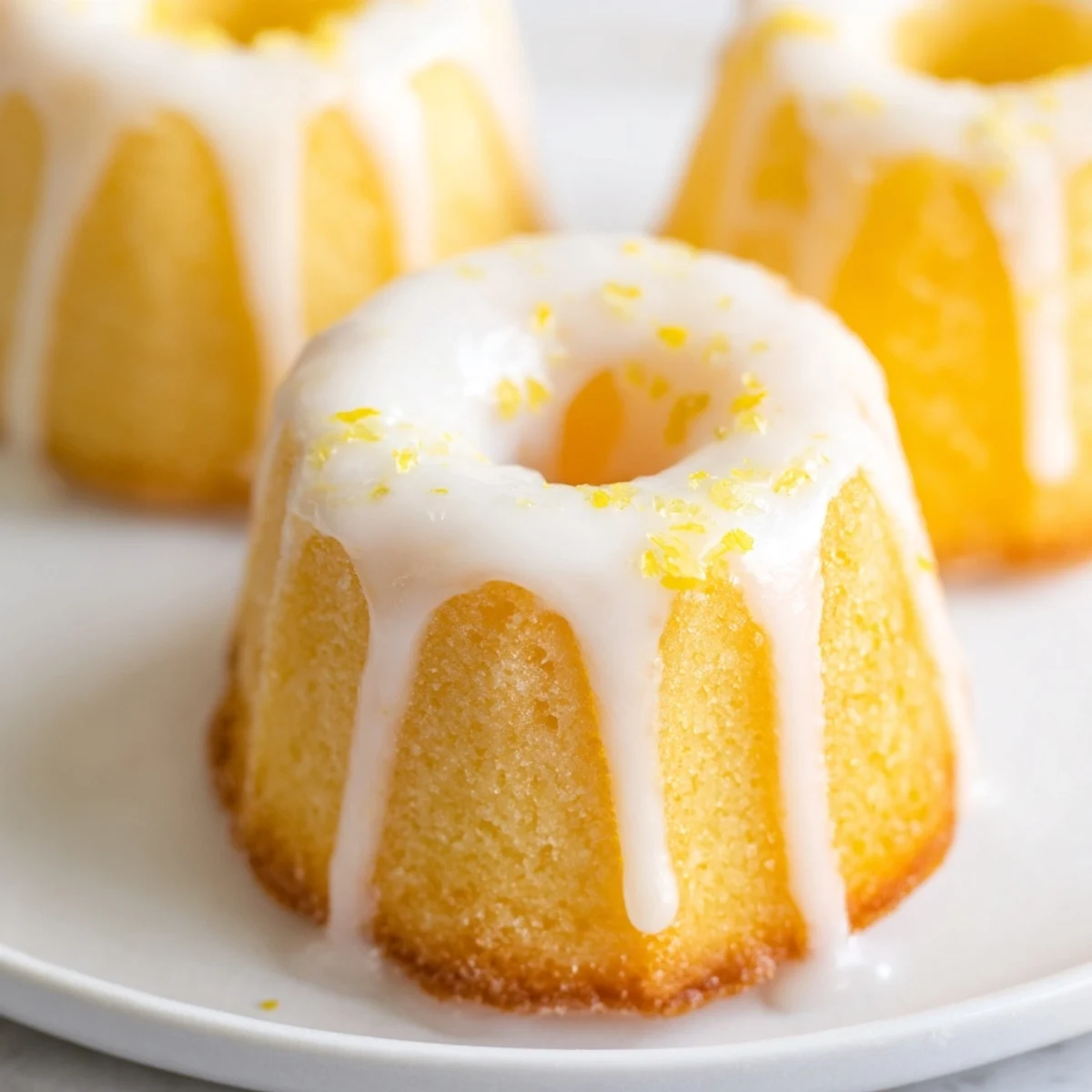
 These delightful mini cakes capture the bright essence of fresh lemons in every bite. The tender crumb comes from properly creamed butter and sugar, while both lemon zest and juice ensure maximum citrus flavor throughout the batter. A quick whisk of powdered sugar and fresh lemon juice creates the perfect finishing glaze.
The method is straightforward: preheat your oven to 350°F, prepare either a mini bundt pan or standard muffin tin, then cream butter and sugar until fluffy. Eggs are added one at a time, followed by vanilla and zest. The flour mixture alternates with milk, ending with flour to prevent overmixing—key for maintaining tenderness.
Bake for 16-18 minutes until a toothpick emerges clean, cool briefly in the pan, then transfer to a wire rack. Once completely cooled, drizzle with the tangy glaze. These keep well for three days in an airtight container, though their fresh lemon flavor is best enjoyed the first day.
My grandmother kept ceramic lemon trees scattered around her kitchen, tiny yellow buds I was never allowed to touch as a child. Last spring I bought my first lemon tree, and when those first fruits ripened, I understood why she treasured them. These mini cakes capture that same bright essence, the kind that makes you pause mid-bite and smile at nothing in particular.
I made these for a friend's birthday last month when she insisted she wanted something small but memorable. We sat on her back porch with mismatched tea cups, eating them still slightly warm from the oven, and she told me they tasted like sunshine folded into batter. Now she asks for them every time she visits, and I've stopped pretending it's a special occasion.
Ingredients
- 1 1/4 cups all-purpose flour: The structure that holds everything together without becoming dense or heavy
- 3/4 tsp baking powder and 1/4 tsp baking soda: This combination creates the lift that makes these cakes feel weightless
- 1/2 cup unsalted butter: Room temperature butter incorporates more air, leading to that tender crumb we're after
- 2/3 cup granulated sugar: Just enough sweetness to balance the tart lemon without overpowering it
- 2 large eggs: Both richness and structure, make sure they're room temperature for better emulsification
- Zest of 2 lemons: The oils in the zest carry the true lemon flavor, more than the juice alone ever could
- 1/4 cup fresh lemon juice: Adds that characteristic brightness and reacts with baking soda for extra rise
- 1/3 cup whole milk: Creates tenderness and helps balance the acidity from the lemon
- 1 cup powdered sugar and 2-3 tbsp lemon juice: The simplest glaze that makes everything better
Instructions
- Set up your space:
- Preheat oven to 350°F and grease your mini bundt pan or muffin tin thoroughly, getting into all those little crevices
- Mix the dry ingredients:
- Whisk flour, baking powder, baking soda, and salt in a medium bowl until fully combined
- Cream butter and sugar:
- Beat butter and sugar for 2-3 minutes until pale and fluffy, scraping down the sides once
- Add eggs and flavor:
- Add eggs one at a time, beating well, then stir in vanilla and that beautiful lemon zest
- Combine everything:
- Alternate adding flour mixture and milk, starting and ending with flour, then fold in lemon juice just until combined
- Bake to perfection:
- Fill cups about 3/4 full and bake 16-18 minutes until a toothpick comes out clean
- Make the glaze:
- Whisk powdered sugar with enough lemon juice to create a thick, pourable glaze while cakes cool
 Save to Pinterest
 These have become my go-to when someone needs cheering up, something about the combination of butter and lemon feels like being hugged from the inside out.
Making Them Your Own
I've discovered that adding a tablespoon of poppy seeds transforms these entirely, creating tiny bursts of texture that make people pause and ask what that wonderful crunch might be. Fresh thyme leaves work surprisingly well too, if you're feeling adventurous and want something more sophisticated.
Storage Secrets
These actually improve slightly after sitting for a few hours, allowing the glaze to soften into the crumb and flavors to meld together. Keep them in an airtight container and they'll stay moist for three days, though in my house they rarely make it past day one.
Serving Suggestions
The pairing notes suggest Earl Grey tea, and I've found that the bergamot in the tea creates this lovely harmony with the lemon that feels absolutely intentional. A chilled glass of Moscato works beautifully if you're serving these as dessert after dinner, the slight sweetness playing off the citrus.
- Try them with blackberries tucked into the batter before baking
- A dusting of extra zest over the glaze makes them look professionally finished
- These freeze beautifully unfrosted if you want to bake ahead
 Save to Pinterest
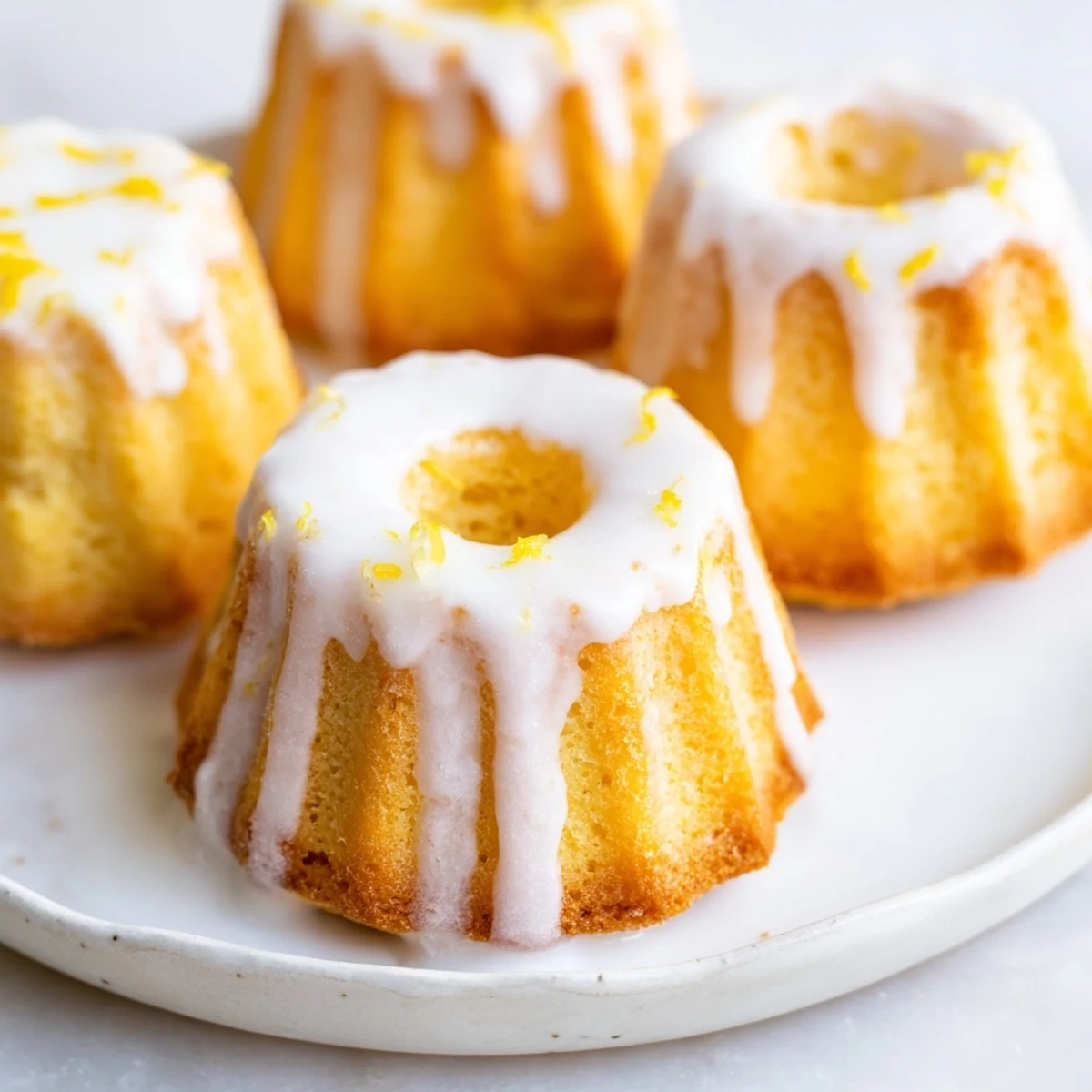
 There's something so satisfying about pulling these miniature cakes from the oven, each one a perfect little portion of bright comfort.
Recipe Q&A
- → Can I make these mini cakes ahead of time?
-
Yes, these mini cakes store beautifully in an airtight container at room temperature for up to 3 days. The glaze may soften slightly but remains delicious. For best texture, add the glaze the day of serving.
- → What type of pan works best for this batter?
-
A mini bundt pan creates an elegant presentation, but a standard muffin tin works equally well. Both yield 12 portions and bake in the same timeframe. Grease thoroughly to ensure easy release.
- → Can I use bottled lemon juice instead of fresh?
-
Fresh lemon juice provides superior flavor and acidity that balances the sweetness. Bottled juice can work in a pinch, but the bright citrus notes will be noticeably muted. For the best results, squeeze fresh lemons.
- → How do I know when the cakes are done baking?
-
Insert a toothpick into the center of a cake—if it comes out clean or with just a few moist crumbs, they're ready. The tops should spring back lightly when touched, and the edges will begin to pull away from the pan slightly.
- → Can I freeze these mini cakes?
-
Absolutely! Freeze unglazed cakes in a single layer on a baking sheet until firm, then transfer to a freezer bag for up to 3 months. Thaw at room temperature and add glaze just before serving for the freshest appearance.
- → Why is the batter mixed until just combined?
-
Overmixing develops gluten, which can make these delicate cakes tough. Mixing until just combined ensures a tender, moist crumb. It's okay if a few small streaks of flour remain—they'll incorporate during the gentle folding step.