 Save to Pinterest
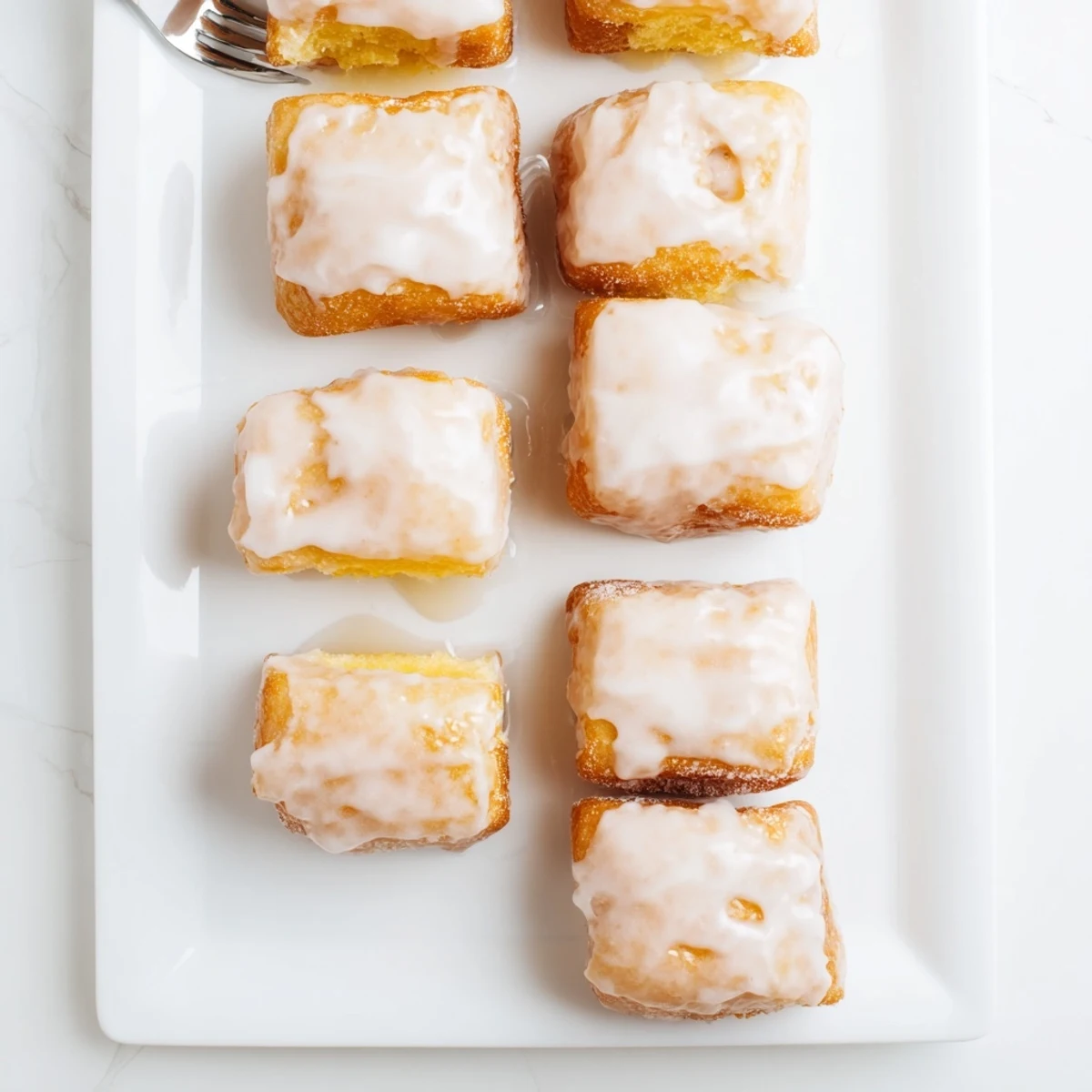
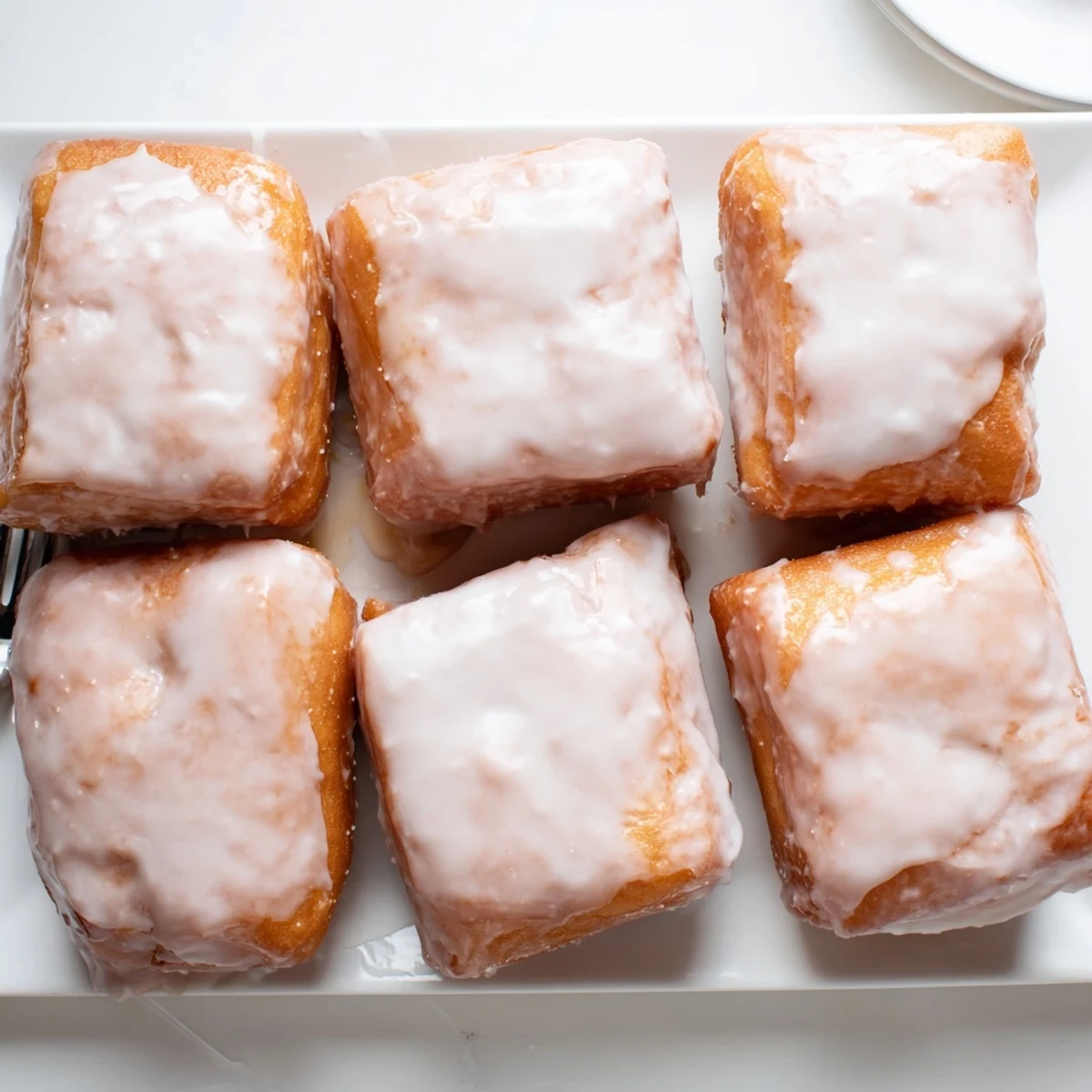
 These pillowy beignet squares combine the richness of traditional New Orleans dough with the tangy depth of buttermilk. After a proper rise, the dough gets cut into squares and fried until golden, creating that signature crispy exterior and tender interior. The warm squares are then dipped in a simple vanilla glaze that hardens slightly, adding the perfect sweet finish.
The buttermilk adds subtle tang and keeps the interior incredibly moist, while the double-rise process ensures maximum fluffiness. Best enjoyed fresh and warm alongside coffee or café au lait.
The scent of frying dough drifting through a French Quarter morning stays with you forever. My first beignet experience happened at 3 AM after a long night of music and wandering, when powdered sugar coated everything in sight including my favorite jacket. These glazed squares capture that magic but the buttermilk adds something special, a slight tang that cuts through all that sweetness and keeps you reaching for just one more.
I started making these during a particularly brutal winter when everyone needed comfort. My roommate would hover by the stove, stealing warm squares straight from the rack before I could even get the glaze ready. Now they are the first thing anyone requests when snow starts falling.
Ingredients
- 3 ½ cups all-purpose flour: The foundation of your dough, with extra set aside for keeping things from sticking
- 2 ¼ tsp active dry yeast: This is what makes your beignets puff up into cloudlike squares
- ¼ cup granulated sugar: Just enough sweetness to balance the tangy buttermilk
- ¾ tsp kosher salt: Enhances all the flavors and keeps the dough from tasting flat
- ½ cup buttermilk: The secret ingredient that adds tenderness and subtle tang
- ½ cup whole milk: Combines with buttermilk for the perfect dairy balance
- 2 large eggs: Provides structure and richness to the dough
- 3 tbsp unsalted butter: Melted and cooled so it does not scramble your eggs
- 4 cups vegetable oil: For frying until golden and crisp
- 2 cups powdered sugar: Sifted to prevent lumps in your glaze
- ¼ cup whole milk: Thins the glaze to the perfect dipping consistency
- 1 tsp pure vanilla extract: Adds depth and warmth to the finish
Instructions
- Whisk the dry foundation:
- In a large mixing bowl, combine flour, yeast, sugar, and salt until everything is evenly distributed
- Blend the wet ingredients:
- In a separate bowl, whisk together buttermilk, milk, eggs, and cooled melted butter until smooth
- Bring it together:
- Create a well in the center of your dry ingredients and pour in the wet mixture, stirring until a shaggy dough forms
- Knead until smooth:
- Work the dough on a floured surface for 6 to 8 minutes until it feels elastic and silky smooth
- Let it rise:
- Place dough in an oiled bowl, cover, and let it rest in a warm spot for 60 to 75 minutes until doubled in size
- Roll and cut:
- Punch down the risen dough, roll to ½ inch thickness, and cut into 2 inch squares
- Rest before frying:
- Arrange squares on a parchment lined tray, cover loosely, and let them rest for 20 minutes
- Fry to golden perfection:
- Heat oil to 350 degrees and fry beignets in batches for 1 to 2 minutes per side until puffed and golden brown
- Prepare the glaze:
- Whisk powdered sugar, milk, and vanilla until completely smooth and lump free
- Glaze while warm:
- Dip each warm beignet into the glaze, let excess drip off, and place on a rack to set
 Save to Pinterest
 These squares became a Sunday morning tradition that nobody dares to miss. Even the neighbor who claims to be watching their carb intake somehow appears when the frying starts.
Getting The Perfect Rise
Warm liquids help your yeast activate properly but hot liquid will kill it. Room temperature ingredients give you the most reliable rise every single time.
Mastering The Fry
Crowding the pot drops the oil temperature fast and leads to greasy beignets. Fry in small batches and maintain that 350 degree sweet spot for perfectly puffed squares.
Serving Suggestions
These are best enjoyed the same day they are made while still slightly warm. The texture shifts overnight and nothing beats fresh from the fryer.
- Set up a glaze station with sprinkles for kids
- Keep coffee hot and ready for dipping
- Have plenty of napkins within reach
 Save to Pinterest
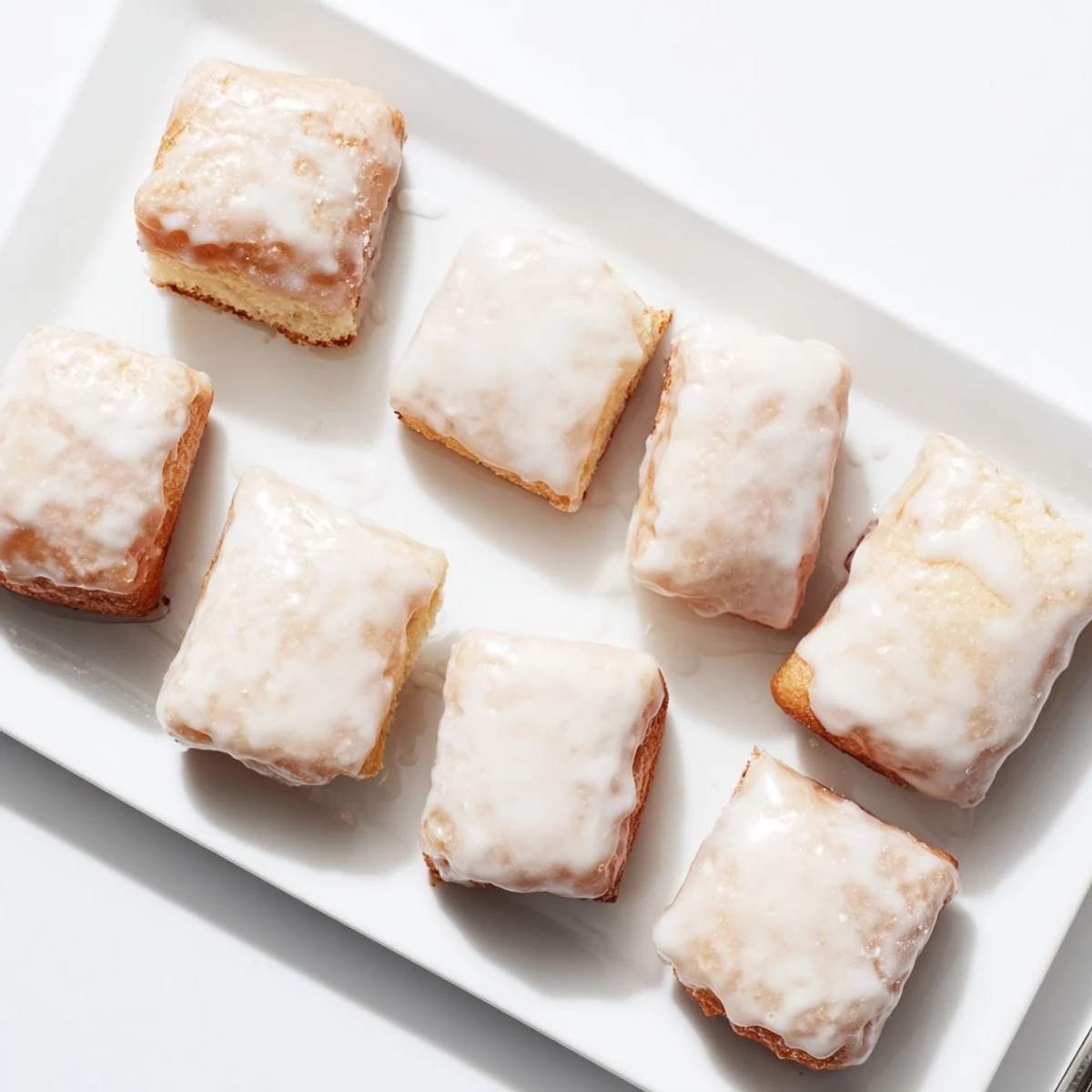
 Some mornings call for something special and these glazed beignets answer every time.
Recipe Q&A
- → What makes buttermilk beignets different from traditional ones?
-
Buttermilk adds tangy flavor and creates a more tender crumb due to its acidity, which activates the baking process and keeps the dough moist. Traditional beignets typically use regular milk or water.
- → Can I make the dough ahead of time?
-
Yes, prepare the dough through the first rise, then refrigerate overnight. Bring to room temperature before rolling and cutting. The cold fermentation actually develops more flavor.
- → What oil temperature is best for frying?
-
Maintain oil at 350°F (175°C) for optimal results. Too cool and they'll absorb excess oil, too hot and they'll burn outside while remaining raw inside.
- → How do I keep beignets crispy?
-
Fry in small batches to maintain oil temperature, drain on wire racks instead of paper towels, and serve immediately. Beignets lose their crisp texture quickly.
- → Can I bake these instead of frying?
-
Baking won't produce authentic beignets. Frying creates the signature crispy exterior and airy interior. However, you can air fry at 375°F for 5-7 minutes for a lighter version.
- → Why did my dough not rise properly?
-
Ensure yeast is fresh and liquids are warm (not hot) around 105-115°F. Cold ingredients or expired yeast won't activate properly. Also verify the dough is in a warm, draft-free spot.