 Save to Pinterest
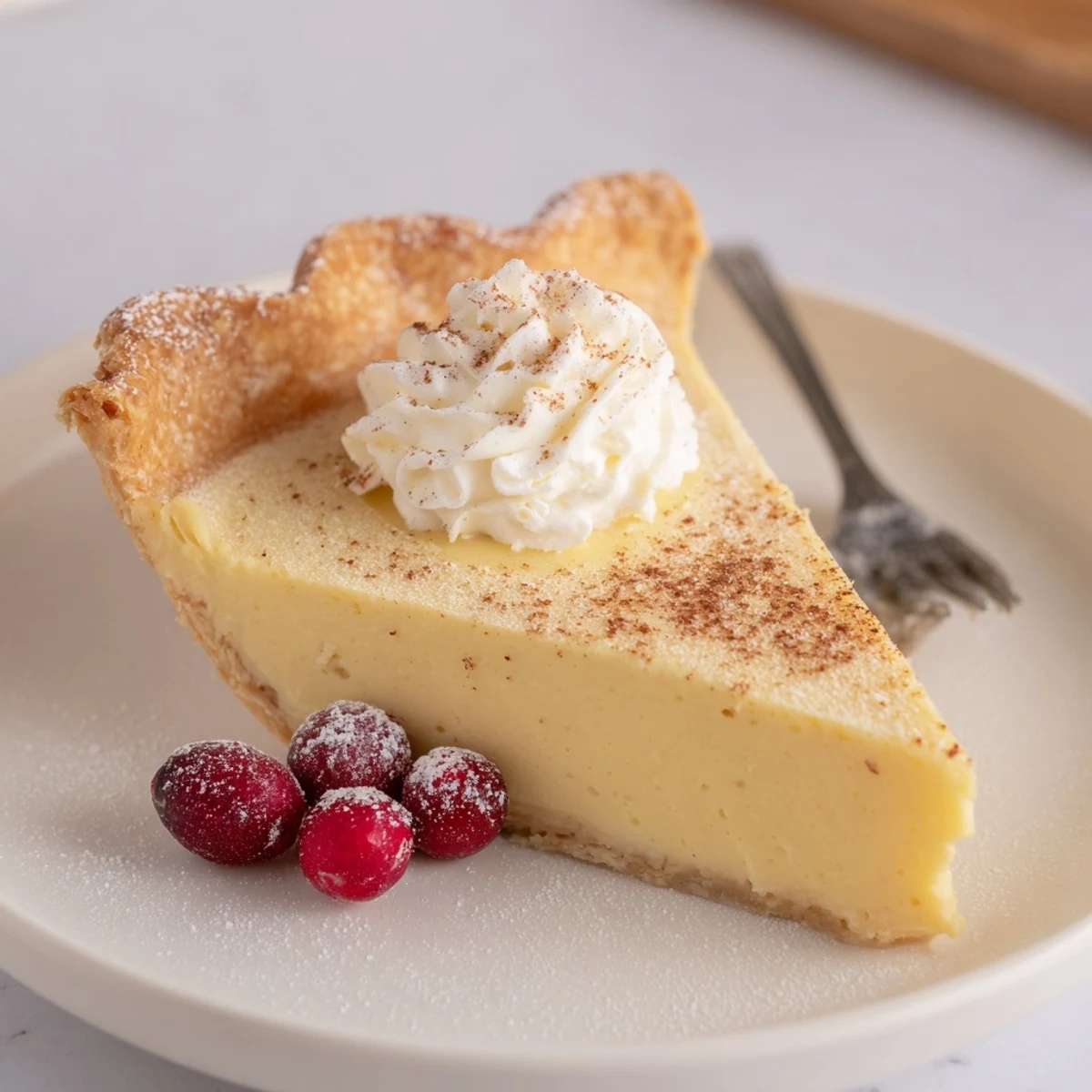
 Prepare a 9-inch crust and preheat oven to 350°F (175°C). Warm whole milk and cream, whisk eggs with sugar, cornstarch, vanilla, cinnamon and salt, then temper with the warm dairy. Strain for extra silkiness and pour into the crust. Bake 45–50 minutes until the center is just set; tent edges if browning. Cool on a rack and chill at least 2 hours. Finish with a dusting of cinnamon, powdered sugar or sugared cranberries for holiday flair.
Every December, the kitchen fills with the gentle hum of conversation and the sweet perfume of cinnamon drifting from the oven. The first time I made this custard pie, I remember being drawn in not by tradition, but by the way the vanilla steam curled up from the saucepan and made the whole house feel oddly peaceful. My cat twined around my ankles while I tried not to spill milk on my favorite holiday sweater. Baking this pie has quietly become my favorite way to settle into Christmas Eve.
Last year, I whipped up this pie while my cousin played carols on a slightly out-of-tune piano, and the laughter over mistimed notes made it feel like the pie was itself part of the celebration. Slicing into the cooled pie after dinner turned into a little ceremony, complete with a vote on whether to top it with a snowstorm of powdered sugar or just cinnamon. I still remember my uncle claiming the wobbliest slice for himself, declaring it the 'richest'.
Ingredients
- 1 (9-inch) unbaked pie crust: A sturdy, buttery crust is your foundation; I chill mine beforehand so it bakes up flaky and golden.
- 1 cup whole milk: Mixing with cream gives the custard its dreamy texture—don’t let it boil, just gently warm.
- 1 cup heavy cream: The extra fat makes a noticeable difference in silkiness, so don’t swap it out if you love rich custard.
- 3 large eggs: I always crack them into a separate bowl just in case—no one wants a rogue shell in their smooth custard.
- 3/4 cup granulated sugar: This adds the perfect amount of sweetness without overpowering the spices.
- 2 tbsp cornstarch: Key for that luscious consistency; whisk it thoroughly to avoid any lumps.
- 1 1/2 tsp vanilla extract: Pure vanilla goes a long way—a little extra for someone who adores vanilla is never a mistake.
- 1/2 tsp ground cinnamon: Adds that festive warmth; I sprinkle a bit more on top for drama.
- 1/4 tsp fine sea salt: It sharpens every flavor in the custard, don’t skip it.
- 1/4 tsp ground cinnamon (for topping): The finishing touch, and I always love watching it float down over the cooled pie.
- Powdered sugar (for dusting, optional): An extra sparkle for festive flair; use a sieve for an even snowfall.
Instructions
- Ready your crust:
- Slide the unbaked pie crust into a 9-inch pan and crimp the edges how you like—I sometimes press a fork along the rim for a bit of old-school charm.
- Warm the milk and cream:
- Combine both in a medium saucepan over medium heat and watch for gentle steaming, not boiling—the scent turns sweet right about then.
- Mix the custard base:
- In a separate bowl, whisk eggs, sugar, cornstarch, vanilla, cinnamon, and salt until the mixture looks glossy and smooth as paint.
- Temper and blend:
- Slowly pour the warm milk into your egg mixture while whisking nonstop; it sounds scary, but just keep the whisk moving and you’ll avoid scrambling the eggs.
- Strain for smoothness:
- Pass the liquid through a fine-mesh sieve into a clean bowl—this tiny step makes the custard impossibly silky.
- Pour and bake:
- Pour the custard into your crust and bake at 350°F for 45-50 minutes, tenting the crust edges with foil if they start getting too brown.
- Cool and set:
- Let the pie cool on a wire rack; the center should jiggle a little, but don’t worry, it’ll finish setting as it cools.
- Dust and chill:
- Sprinkle ground cinnamon and powdered sugar over the top, then tuck the pie in the fridge for at least 2 hours so the slices come out clean and proper.
 Save to Pinterest
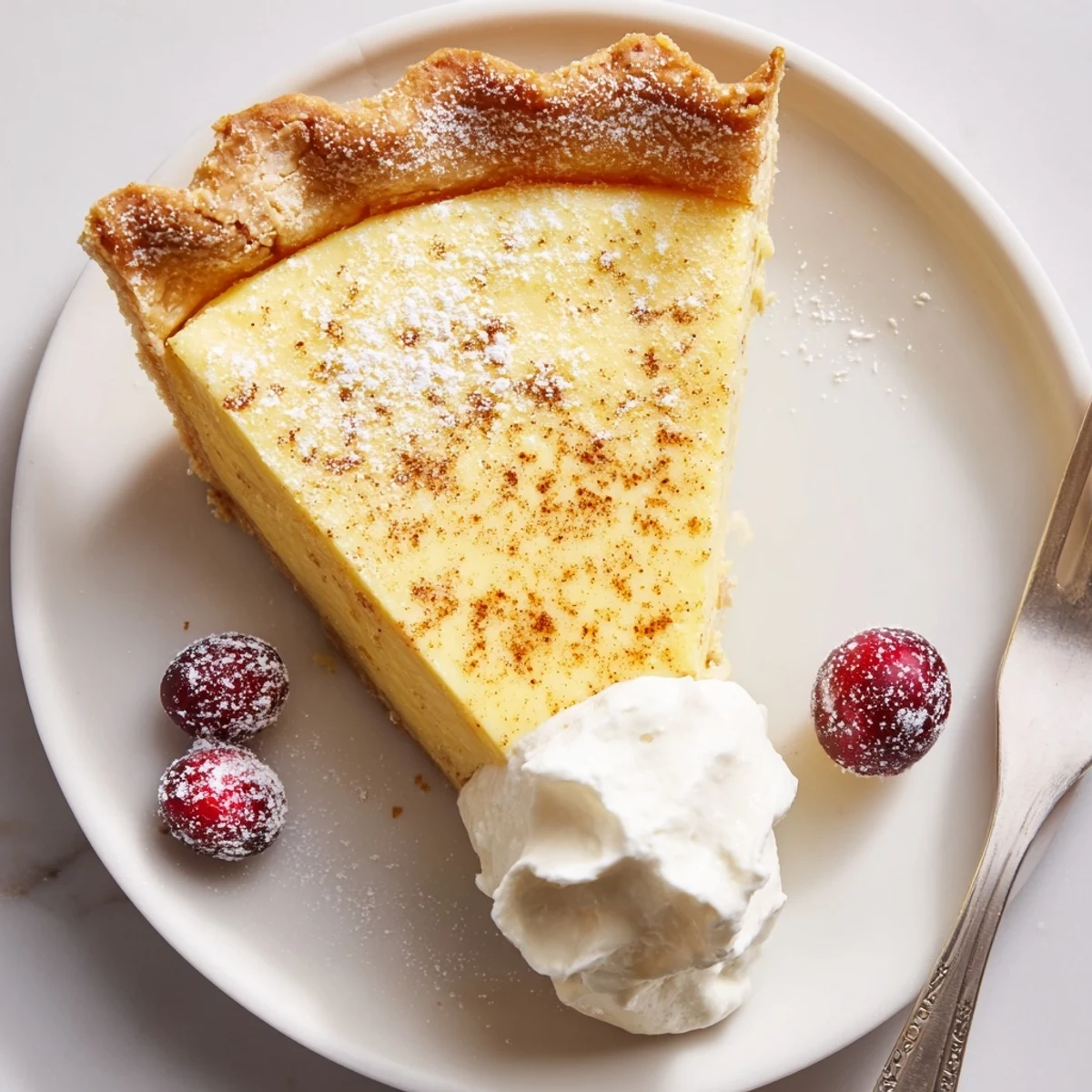
 One Christmas, my niece took over sifting powdered sugar across the pie, turning the kitchen into a little snow globe scene. We couldn't help but laugh as she giggled, not at the pie itself, but at the simple joy of making something beautiful together. That moment, with the pie glowing on the table, felt like the true flavor of the holiday.
If You Have a Few Minutes More
Giving the pie an extra five minutes in the oven (while watching for browning) helps the edges set, especially if your kitchen is cold or drafty. Sometimes I make a quick whipped cream while waiting for the pie to chill—even just a dollop makes each slice feel special. If you want a grown-up twist, a splash of bourbon mixed into the filling is all it takes to deepen the custard’s flavors.
How to Store and Serve
This pie keeps beautifully in the fridge, covered in foil or plastic wrap, for up to three days—if there’s any left at all. Serve cold for a firm, elegant slice, or let it sit for a few minutes at room temperature for a softer, melt-in-your-mouth texture. I secretly love a piece for breakfast next morning, especially with hot coffee.
Holiday Troubleshooting (and Quick Wins)
Sometimes, the crust edges brown before the filling sets; gently cover them with foil strips early on. If the custard puffs or cracks, it’s probably been overbaked (lesson learned last winter)—next time, check for that gentle wobble and take it out a bit earlier. If you crave a hint more spice, add a pinch of nutmeg or swap in your favorite warm spice blend.
- Let the pie cool completely before slicing for sharp edges.
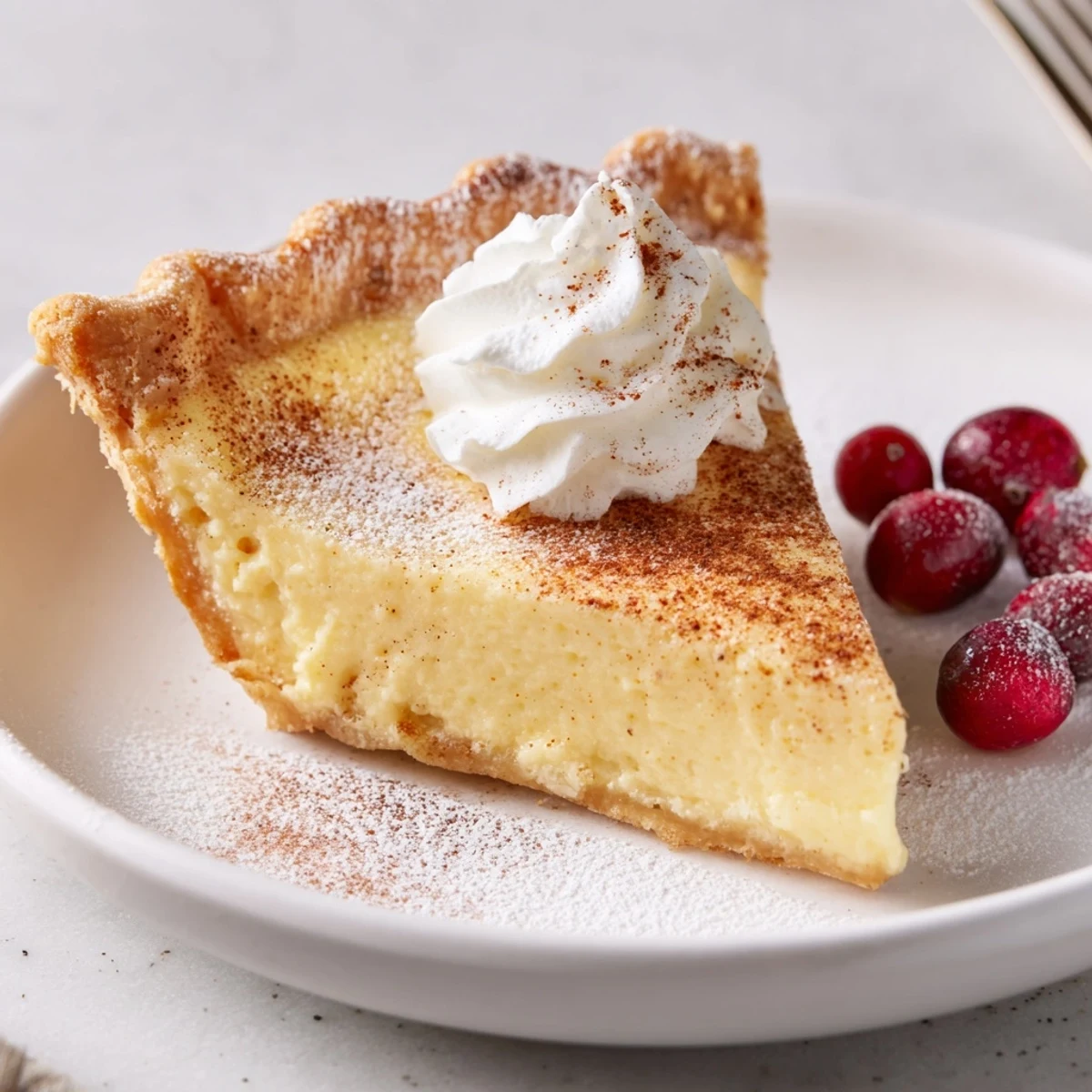
- Sugar-dusted cranberries make a lovely festive topping.
- Try adding orange zest for a bright holiday aroma.
 Save to Pinterest
 Whatever your plans, a homemade custard pie on Christmas Eve adds warmth and delight that lingers well past dessert. May your kitchen be full of laughter and sweet success.
Recipe Q&A
- → How do I prevent the custard from curdling?
-
Temper the eggs by slowly whisking a little of the warm milk-cream into the egg-sugar mixture before combining fully. Keep the dairy just steaming, not boiling, and bake at a moderate temperature to avoid sudden coagulation.
- → How can I tell when the custard is properly set?
-
The edges should be set and the center slightly wobbly; it will firm up as it cools. A gentle jiggle in the middle indicates the right doneness—overbaking leads to grainy texture.
- → Should I strain the custard before baking?
-
Yes. Passing the filled mixture through a fine-mesh sieve removes any coagulated egg bits and cornstarch lumps, yielding a silkier, more uniform custard.
- → Can I use a store-bought crust?
-
Absolutely. An unbaked, store-bought crust works well—fill and bake as directed. If the edges brown too fast, tent with foil during baking to prevent overbrowning.
- → How long should the pie chill before slicing?
-
Chill at least 2 hours so the custard fully sets and slices cleanly. For best texture and flavor melding, refrigerate for up to 3 hours before serving.
- → Any suggestions for flavor variations?
-
Add a splash of bourbon or brandy to the custard for depth, stir in grated nutmeg or orange zest for brightness, or top with whipped cream and sugared cranberries for festive presentation.
- → Can I make this with a gluten-free crust?
-
Yes. Substitute a gluten-free pie crust and check any commercial extracts for gluten ingredients; baking time remains similar but watch for crust browning.