 Save to Pinterest
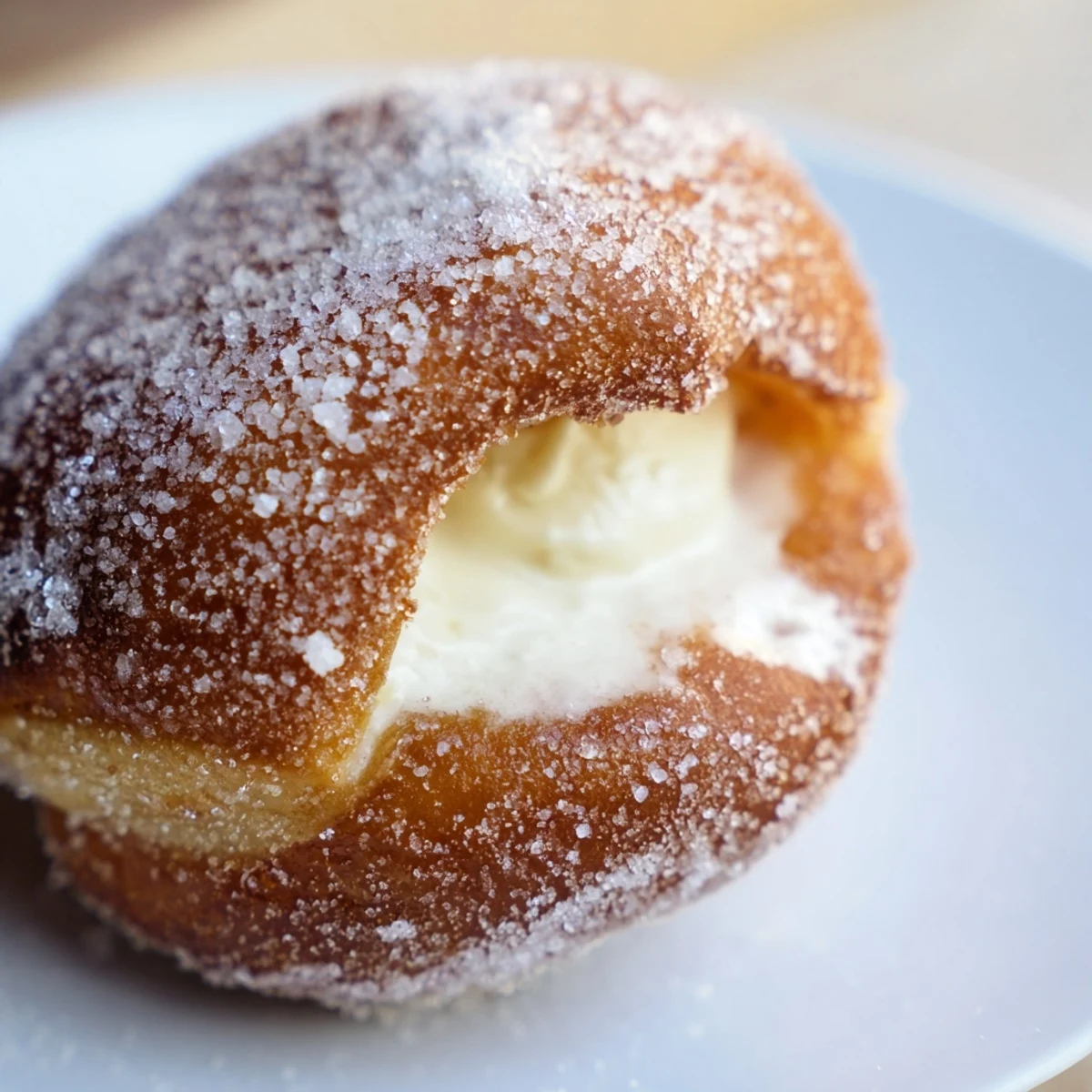
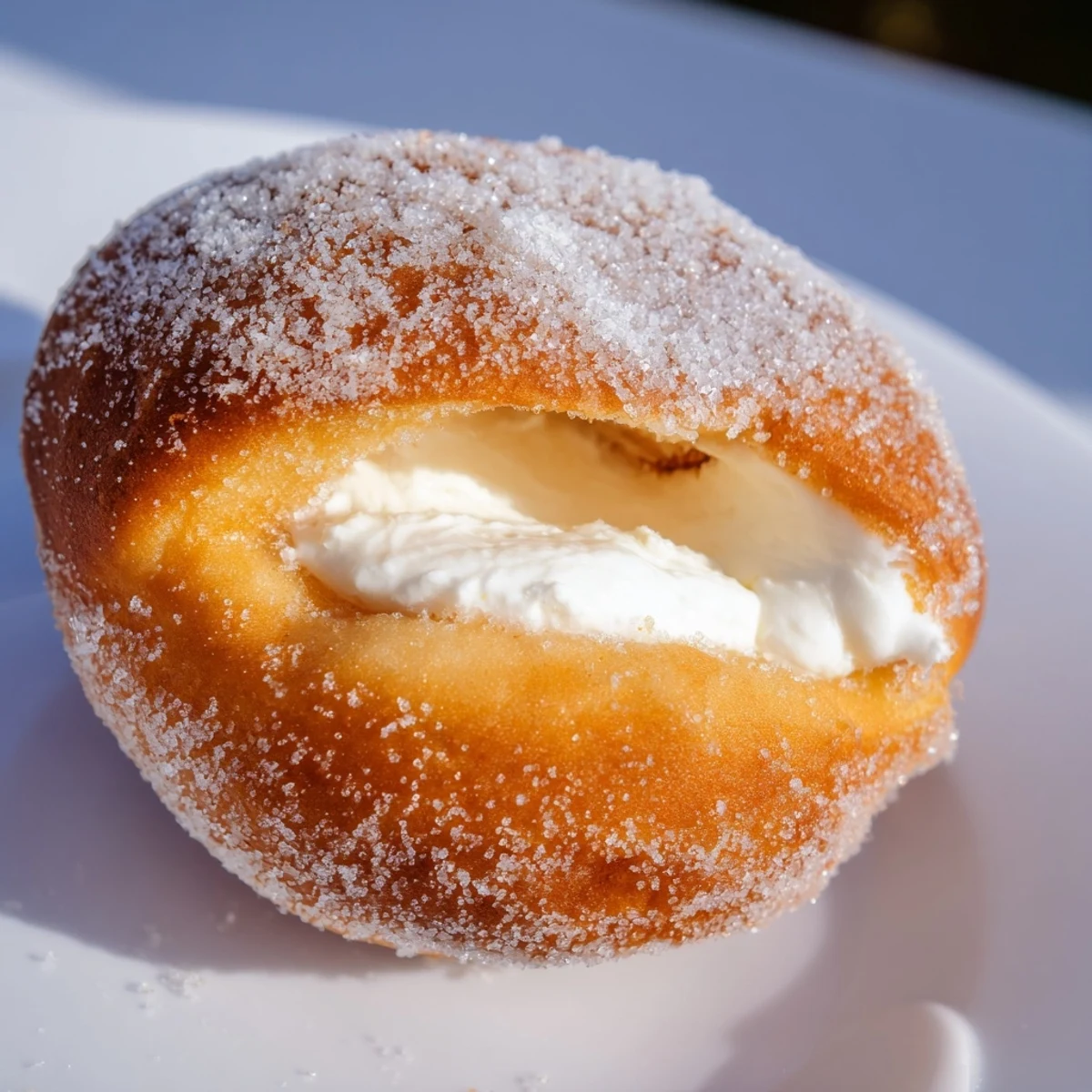
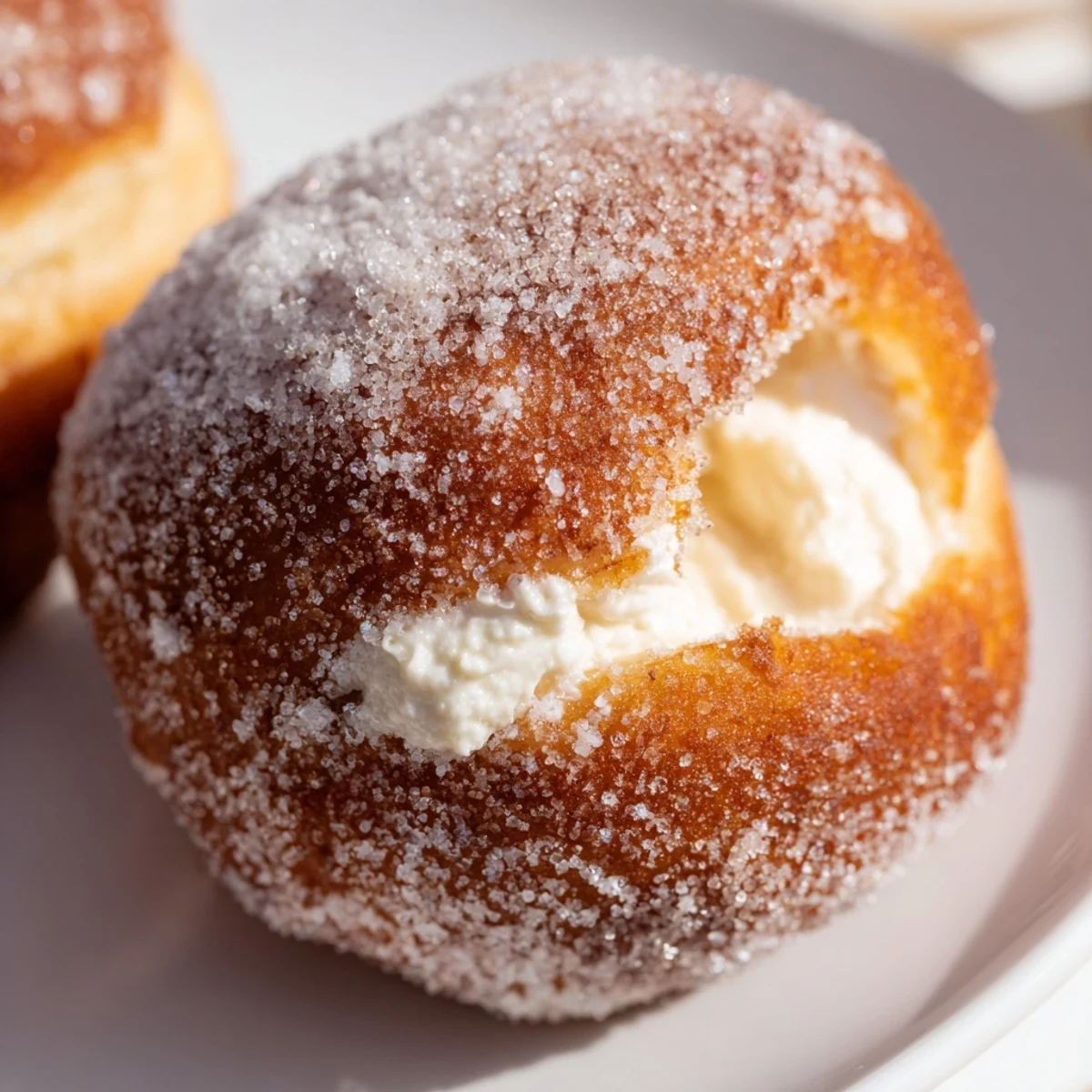
 These authentic Italian bomboloni feature incredibly soft, pillowy dough that fries to golden perfection. The classic vanilla pastry cream filling is silky smooth and generously piped inside each warm donut, then finished with a coating of sparkling sugar.
The process involves a simple yeast dough that rises until doubled, followed by cutting and a second brief rise. While the dough proofs, you'll prepare the traditional pastry cream by tempering egg yolks with hot milk and cooking until thickened.
Frying at the right temperature ensures the donuts cook through without becoming greasy. Rolling them in sugar while still warm creates that signature coating. Fill using a piping bag for the neatest results and most generous portion of cream.
Last summer, my Italian neighbor Maria caught me peeking through her fence as she carried a tray of golden spheres into her kitchen. She laughed and waved me over, pressing a warm bomboloni into my hands that practically collapsed under my fingers, sugar dusting my dark shirt like winter's first snow. One bite of that cool vanilla cream exploding through the crisp shell, and I understood why she makes them every Sunday morning. Now they're the first thing my friends ask about when they see me pulling out the stand mixer.
I made these for my sisters birthday breakfast last year, doubling the recipe because my family attacks sweets like weve never eaten before. My dad, whos usually a black coffee and dry toast person, ate three while pretending to help with the dishes. Now whenever I visit, there's a silent question in everyones eyes about whether I brought the dough.
Ingredients
- All-purpose flour: The protein structure here creates those pillowy bubbles that hold the cream without collapsing
- Active dry yeast: Make sure your milk is warm to the touch like a babys bath, or the dough will sulk and refuse to rise
- Whole milk: I tried using low-fat once and the cream turned into a sad, watery disappointment
- Eggs: Room temperature eggs incorporate better into the dough, creating that signature tender crumb
- Unsalted butter: Softened to room temperature so it melts into the dough strands during kneading
- Vanilla extract: Use the good stuff here since its the primary flavor note in both dough and cream
- Cornstarch: This is what transforms the milk and eggs into that luscious, pipeable pastry cream
Instructions
- Wake up the yeast:
- Combine flour, sugar, yeast and salt in your stand mixer, then pour in the warm milk, crack in the eggs, add vanilla and drop in softened butter. Mix until the dough starts pulling away from the sides, then knead for about 10 minutes until it feels smooth and elastic like a fresh stress ball.
- Let it nap:
- Grease a large bowl with butter, turn the dough around to coat, cover with a towel and leave it in a warm corner until it has doubled. This takes anywhere from one to two hours depending on how cozy your kitchen feels.
- Shape your pillows:
- Punch down the risen dough gently, roll it out on a floured surface until its about three quarters of an inch thick, then cut rounds with a three-inch cutter. Arrange them on parchment with space to grow, cover loosely and let them puff up again for half an hour.
- Make the magic filling:
- Heat milk until steaming while whisking egg yolks with sugar and cornstarch until pale and smooth. Pour the hot milk slowly into the yolks while whisking furiously, return everything to the pan and cook over medium heat, stirring constantly, until thickened. Whisk in butter and vanilla, then press plastic wrap directly onto the surface and chill completely.
- Give them their golden bath:
- Heat oil until it reaches 350 degrees, then fry two or three donuts at a time for about three minutes per side until they are deeply golden. Let them drain briefly on paper towels, then roll them immediately in granulated sugar while they are still warm.
- Fill with joy:
- Once the donuts have cooled enough to handle, poke a small hole in the side of each one and pipe the chilled cream inside until you feel resistance. Be generous here, nobody ever complained about too much cream.
 Save to Pinterest
 The first time I made these for my book club, we ended up sitting around the table for an extra hour just talking about food memories and grandmothers kitchens. Something about warm donuts filled with cream makes people nostalgic and chatty in the best way.
Making Ahead Like a Pro
You can make the dough the night before and let it do its slow rise in the refrigerator, which actually develops better flavor. The pastry cream also keeps beautifully for two days in the fridge, just bring it to room temperature and give it a quick whisk before piping. Just dont fill the donuts until youre ready to serve or they will start weeping moisture into that perfect sugar coating.
Frying Without Fear
The key to great frying is patience with your oil temperature. I use a kitchen thermometer now after one too many batches of either raw centers or burnt exteriors. Drop a small piece of dough into the oil first, if it bubbles up immediately and rises to the surface, you are in the sweet spot. And never overcrowd the pot or the oil temperature will plummet and your donuts will absorb way too much fat.
Flavor Adventures
Once you have the basic technique down, the variations are endless. Replace some of the vanilla with lemon zest in the cream for a bright spring version, or fold in chocolate chunks while the cream is still warm. I have even made a blood orange cream that was absolutely stunning, both in color and flavor. The classic vanilla is hard to beat, but playing with flavors is half the fun of baking.
- Zest your citrus directly into the sugar when making the cream for maximum flavor infusion
- Add a tablespoon of instant espresso to the dough for a subtle coffee donut that pairs beautifully with vanilla cream
- Mix cinnamon into your dusting sugar for a churro-inspired variation that disappears even faster
 Save to Pinterest
 There is something deeply satisfying about making a pastry that feels like a special occasion treat in your own kitchen. I hope these bomboloni bring as many warm moments to your table as they have to mine.
Recipe Q&A
- → What makes bomboloni different from regular donuts?
-
Bomboloni are Italian-style filled donuts, distinct because they're filled after frying rather than having a hole. The dough is richer and softer than typical American donuts, and they're traditionally filled with thick pastry cream rather than jelly or glaze.
- → How do I know when the oil is ready for frying?
-
Use a kitchen thermometer to maintain 350°F (175°C). If you don't have one, drop a small piece of dough into the oil—it should sizzle immediately and rise to the surface within 2-3 seconds. Oil that's too cool makes greasy donuts; too hot burns them outside while leaving them raw inside.
- → Can I make the dough ahead of time?
-
Yes, you can refrigerate the dough after the first rise for up to 24 hours. Let it come to room temperature before rolling and cutting. The pastry cream can also be made a day ahead and stored in the refrigerator with plastic wrap pressed directly on the surface.
- → Why did my donuts absorb too much oil while frying?
-
This usually happens when the oil temperature is too low or when donuts are overcrowded in the pot, causing the temperature to drop. Fry only 2-3 at a time and let the oil return to temperature between batches. Also ensure donuts have completed their second rise properly.
- → Can I bake these instead of frying?
-
While possible, baking won't give you the authentic texture or flavor. Baked bomboloni will be more bread-like and less airy. If you must bake, brush with butter and bake at 375°F (190°C) for 12-15 minutes, though the result will be quite different from the traditional fried version.